Nasturtium

Nasturtium: Much More Than An Edible Flower

The origin of nasturtium is in Central and South America. It is native to Peru and to Chile. The Inca people consumed nasturtium in much the same way that it is used today, which is mostly in salads. The plant was brought to Spain in the 16th century by Nicolas …

Read more

Butterbur

Butterbur: The Migraine Herb

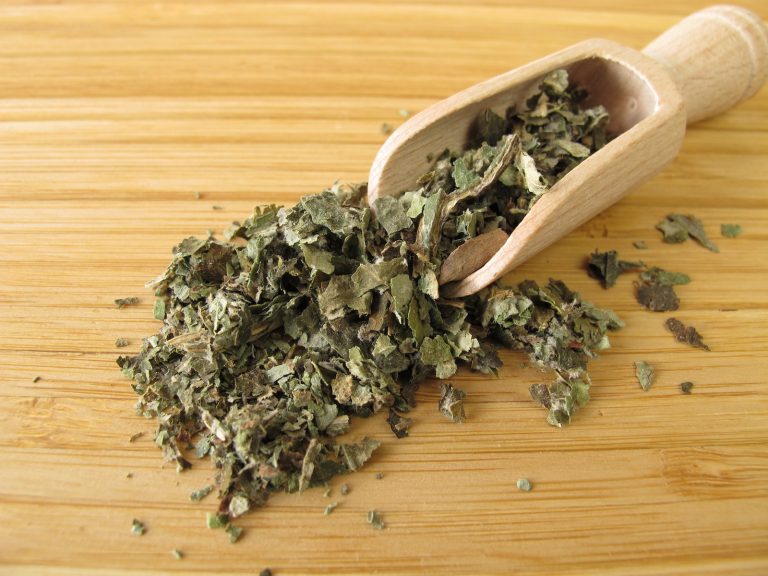
Butterbur is a herb belonging to the Asteraceae family, which makes it a relative of the dandelion, arnica, and of feverfew. It originated in Asia and can be found growing there as well as in parts of Europe and North America. It has a preference for wet ground and is typically found growing in marshes and other damp areas. Because it is native to Asia, it is considered an invasive species. It spreads very quickly in the right environment.

In Ancient Greece, the broad leaves of the butterbur plant were once used as hats by Greek shepherds. The hats were called petasos, which is the origin of the plant’s Latin name: Petasites hybridus. The butterbur name comes from the fact that the leaves were used as a wrapping for butter during warm weather. They kept the butter cool. Butterbur’s other names include lagwort, which is what it is called in the UK. It is also sometimes called bog rhubarb or coltsfoot.

Dioscorides wrote about butterbur in the 1st century. He recommended the leaves as a treatment for skin ulcers. The leaves were to be pounded and applied topically. In the 1500s, Gerard wrote that dried and powdered butterbur root that was mixed with wine was a good treatment for plague because it acted as a diaphoretic. A century later, Nicholas Culpeper would write that butterbur was a tonic and good for treating shortness of breath. At around this time, butterbur was also being used to treat wounds.

Read more

Arnica

Arnica: A Homeopathic Herb

Arnica is an herb in the dandelion family that originated in Central Europe and Siberia. You can also find it in the US and in Canada. Arnica has been used for centuries for its medicinal properties. Both Europeans and Native Americans discovered the value of the plant independently of each other. Native Americans used to smoke arnica, which (in addition to the fact that it grows at high altitudes) led to one of its many nicknames: mountain tobacco. Swiss mountain guides were said to chew its leaves while climbing and the herb was believed to prevent fatigue. Arnica is still often used in Mexican traditional medicine.

One early documented use of arnica was in the 16th century when it was used to treat fevers and poor digestion.

Arnica would become a mainstay of homeopathy in the 19th century based on the research of Samuel Hahnemann, the German physician who created homeopathy. Arnica was also praised by early homeopathic physician James Tyler Kent.

The Latin name for arnica is Arnica montana while the German name is fallkraut. The name arnica comes from the Greek word arna, meaning lamb. The leaves are coated with fine hair, which may be the reason it is likened to lambs.

Read more

Comfrey

Comfrey: The Healing Herb

Comfrey was already well known and popular in Greece by 400 BCE. Its use was documented by Herodotus who recommended it as a solution for heavy bleeding. The Greeks would also use the plant’s root to cure respiratory problems. For Nicander the physician, comfrey was an antidote for poison and Galen also considered it a valuable tool for promoting healing. Dioscorides was arguably the most famous of the early Greek physicians and he prescribed comfrey for multiple ailments including broken bones, wounds and respiratory ailments. Pliny the Elder was one of his contemporaries and he concurred with Dioscorides with regard to comfrey’s ability to heal wounds and knit bones.

The genus to which comfrey belongs is Symphytum and comes from the Greek sympho from which we get other words like symphony. Sympho definition: to make grow together. In other words, the plant makes things grow together. The Latin terms con firma and confervere are what led to the common name, comfrey. Con firma relates to healing bones and confervere also points to healing. Other old names for the plant relate to its ability to promote healing: boneset and knitbone.

Comfrey would be used through the Middle Ages and was valued by the Saxons. In the 17th century, Nicholas Culpeper was another believer in comfrey roots as a treatment for broken bones and other disorders.

Comfrey would be brought to the Americas by colonists from England.

Read more

Bronze Fennel

Bronze Fennel: The Copper-Colored Herb

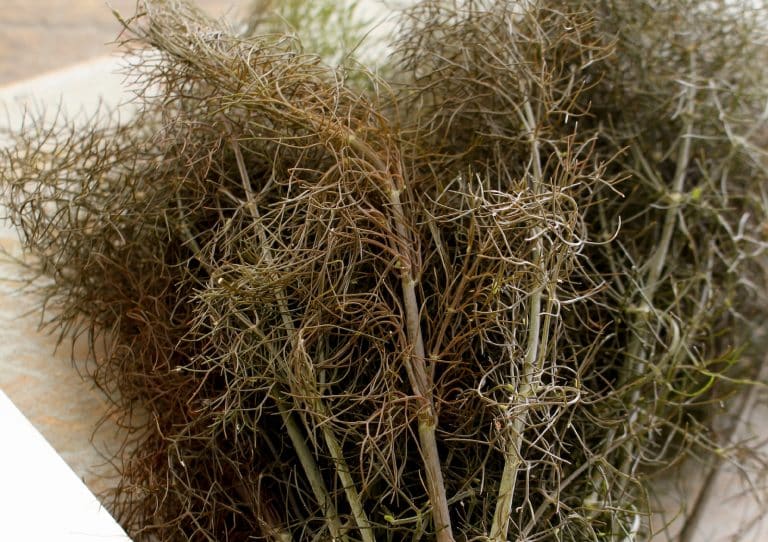
While it is difficult to pinpoint the specific origin of the bronze variety of fennel, historians believe that all forms of the fennel herb originated in the Mediterranean part of Europe. The use of fennel dates back to Ancient Egypt. Hippocrates, the Greek physician for whom the Hippocratic oath was named was also a fennel fan. Fennel is associated with the creation of the marathon. A fennel stalk was supposedly carried by Pheidippides as he ran from Marathon to Athens. He was carrying news of a battle that took place in a fennel field. Fennel most likely made its way outside of the Mediterranean region and around Europe with the Roman legions. Pliny the Elder documented his use of fennel. He believed that the herb was able to treat as many as 22 different health problems.

In the 14th century, fennel seeds were nibbled on as a snack to stave off hunger on religious fasting days. In the 17th century, Nicholas Culpeper recommended the use of fennel as a poison antidote.

Bronze fennel reached the Americas via Spanish explorers of the 17th century who brought seeds from Europe to plant in the New World. This is how fennel came to be naturalized in the US and concentrated in the area between San Diego and San Francisco. Because bronze fennel self-seeds, it can grow abundantly in the right conditions. Many consider it to be a weed despite its culinary value.

Read more

Feverfew

Feverfew: A Pain-Killing Herb

Feverfew is an herb that originated in the Balkans and that belongs to the same family (Asteraceae) as the daisy, which also includes other herbs like dandelions and chamomile.

In Ancient Greece, Feverfew was called parthenion and used it to treat problems related to menstruation and childbirth. The story is that someone fell from the Parthenon as it was being constructed in 447 BCE, and the herb was used to save their life. A few centuries later, Pedanius Dioscorides recommended feverfew for treating inflammations.

Throughout history, one of feverfew’s primary uses was for easing difficulties with menstruation and other ailments that women might endure. The 17th-century naturalist Nicholas Culpeper wrote of feverfew, describing the herb as being able to strengthen the womb. Another English herbalist from this era — John Parkinson — would state that feverfew was effective for treating headaches.

In Avicenna’s Canon of Medicine, feverfew is said to act as a diuretic and ease stomach ailments in addition to helping with insomnia. King’s Dispensatory made similar claims that feverfew was good for digestion along with colds, irregular menstruation and hysteria.

The name has fever in it, which is somewhat misleading since the herb is not actually used to treat fevers. Feverfew is a corrupted version of featherfoil, which would eventually become featherfew — a name sometimes used for the plant. Featherfew eventually evolved to feverfew. The incorrect name would lead to some herbalists believing that the plant was able to treat fevers. Because it did not work, it was at one point dismissed as being ineffective.

Read more

Chamomile

Chamomile: A Tea Herb For Sleep

There are two varieties of chamomile: German and Roman. German and Roman chamomile are both used in essentially the same way — to make tea. The big difference between the two is that Roman chamomile is a perennial and is also slightly bitter while the German variety is an annual and is sweeter.

Chamomile is native to parts of Europe, North Africa, and Asia. The herb’s name comes from a combination of the Greek word khamai that means on the ground and the word melon, which means apple. One of chamomile’s characteristics is a pronounced apple scent.

Chamomile is an ancient enough herb to have been used in Ancient Egypt. The Egyptians used it as a febrifuge and for treating malaria. The Ancient Romans believed that chamomile tea promoted healing. Note that the Roman chamomile variety was not actually grown by the Ancient Romans. It got its name from the fact that discovered at the Coliseum in the 19th century.

Read more

Horehound

Horehound: A Medicinal Mint For Colds

Horehound is native to Europe, Africa, and Asia but it can also be found growing in North America where it was intentionally introduced. The most common horehound variety is also sometimes called white horehound or houndsbane. There is another even more aromatic version referred to as black horehound. The name’s origin is in two old English words, har and hune. Har and hune refer to a plant with fine hairs. Horehound belongs to the mint family and has long been used for its medicinal value; in particular, it has been used throughout history as a cough medicine.

Horehound has been documented among medicines used by the Ancient Egyptians, Ancient Hebrews as well as by the Ancient Greeks and Ancient Romans. Horehound is believed to have been among the bitter herbs used in the Passover rituals of the Hebrews. Dioscorides the Greek physician recommended its use for respiratory illnesses and the Romans used it as a poison antidote. The first reported use of horehound in Ancient Rome was by Galen, the physician.

The 16th-century herbalist John Gerard was a proponent of using horehound as a cough remedy. In the 17th century, the botanist Nicholas Culpeper recommended horehound as a treatment for respiratory ailments such as asthma. He also considered it a good remedy for menstrual problems.

Read more