Khmeli Suneli

Khmeli Suneli: The Georgian Garam Masala

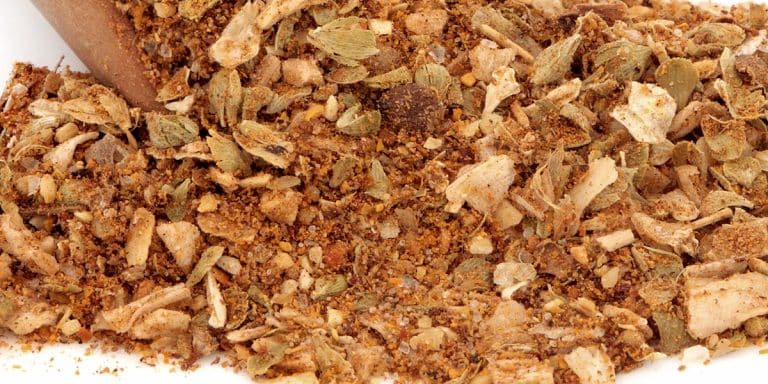
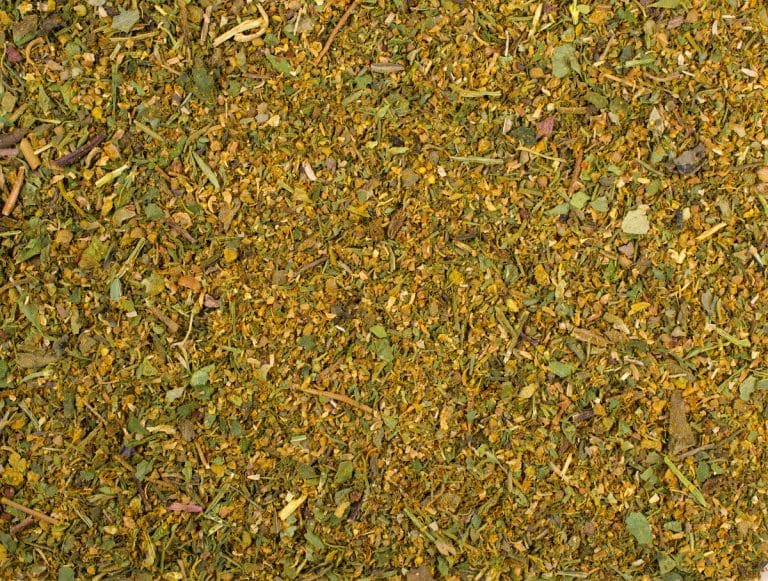
Khmeli suneli is a spice blend in the mold of ras el hanout and garam masala. You can find it being used throughout the Black Sea region but it is most commonly associated with the Republic of Georgia. One of its nicknames is Georgian five spice powder but the name khmeli suneli translates literally to dried spices. It is a distinctly Georgian spice blend that has been molded by that country’s tastes and history. Blends like khmeli suneli have been useful for the average Georgian by making spices affordable. While the individual spices in the blend might be expensive, the blend itself is relatively affordable.

Georgia’s relationship to spices was dictated by its central position on ancient spice routes that ran between China and the Mediterranean. As a result, this spice blend and Georgia’s cuisine combine the cooking styles of East and West in a variety of unique ways.

Today, khmeli suneli is widely used throughout Georgia as an all-purpose seasoning.
Read more

Furikake seasoning

Furikake Seasoning: A Nutritional Supplement And Seasoning In One

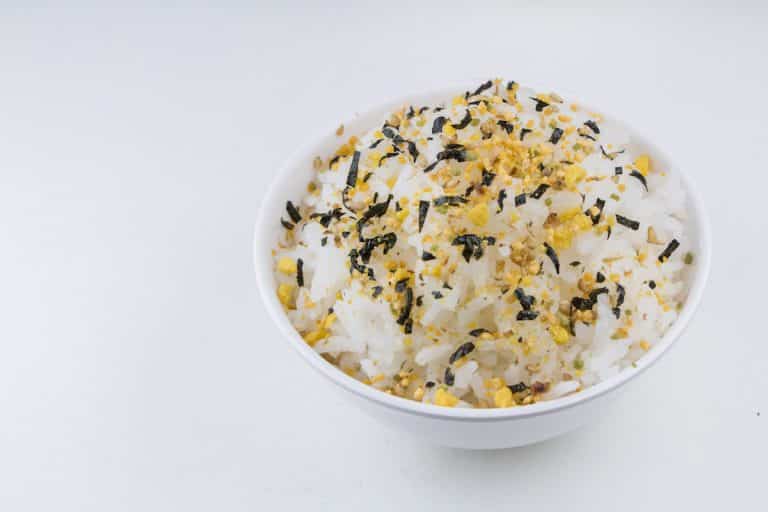
Furikake seasoning is one of the most popular Japanese seasonings, if not the most popular of all. It is a blend of ingredients that are indigenous to Japan. Those ingredients include nori, sesame seeds, and flakes of a dried tuna called bonito. The bonito flakes used in furikake have been dried, soaked with soy sauce, and then dried again. There are many furikake seasoning variations with ingredients as diverse as chili pepper flakes and miso powder.

Unlike most other Japanese ingredients, furikake seasoning is actually a relatively modern invention. Its precursor was created in the early 20th century at around the time that Japanese cooks began to recognize the existence of the fifth taste, umami. Furikake seasoning is a great source of umami, which is particularly important to Japanese cuisine. Umami refers to a meatiness or brothiness that is different from mere saltiness.

Furikake seasoning was first developed by a pharmacist named Suekichi Yoshimaru who originally intended the Japanese people to use it as a calcium supplement rather than a seasoning. The original blend was called gohan no tomo (friend of rice or friend for rice) and the ingredients included poppy seeds and fish bones along with sesame seeds and nori, the latter two of which continue to be included in present-day versions. Nori seaweed is a species of algae that is dried in sheets and used to make several Japanese dishes including sushi.

Read more

panch phoran

Panch Phoran: Indian Five Spice

Panch phoran is sometimes written as paanch phoran or panch phoron. It literally translates to five spices or five flavors. The word panch (or paanch) means five. The spice mix has various other names depending on where in Asia it is being used. For example, it may be called padkaune …

Read more

shawarma spice

Shawarma Spice: A Spice Blend For Middle Eastern Fast Food

As with other specialized seasoning blends like taco seasoning or fajita seasoning, shawarma spice is all about convenience. It is an easy way to add the right balance of all the spices that are traditionally used on shawarma.

While the origin of shawarma is not well documented, it is probably Turkish in origin and was most likely invented in the city of Bursa at some point in the 17th century. It was called doner kebab in Turkey but took on the Arabic name shawarma when it spread throughout the Levant. Shawarma is made by placing marinated slabs of meat and fat on a vertical spit and roasting them slowly while turning the spit. The Arabic name shawarma actually has to do with the turning action of the spit. It comes from the Turkish word cevirme, which means turning.

There are versions of shawarma all throughout the Middle East and Mediterranean region. One of the many similar food items is the Greek gyro. The Mexican dish tacos al pastor is also said to be a New World descendant of shawarma, brought to Mexico by Middle Eastern immigrants.

Read more

Jamaican curry powder

Jamaican Curry Powder: The Taste Of The British Empire

It is often reported that the concept of curry powder arrived in Jamaica via Indian indentured workers who emigrated to Jamaica and other parts of the West Indies in the 19th and early 20th century. While there is probably some truth to this (they may have brought the ingredients for curry powder with them) it is more likely that they simply adopted British curry powder once in Jamaica. At that time, Jamaica was a colony of the British Empire and its cuisine was influenced by the British. Separated from the land of their birth and the food culture there, they latched onto the closest thing they could find—the British version of Indian flavors.

It is worth noting that Indian food culture did not remain entirely separate from other food cultures on the island. Much like Creole and Cajun seasoning, Jamaican curry powder would become representative of multiple disparate immigrant and indigenous communities. Jamaican curry powder typically includes allspice, thyme, and other ingredients not included in most classic British curry powder blends and is often used to flavor some very non-British foods.

Read more

all purpose seasoning

All Purpose Seasoning: It’s All About Versatility

All purpose seasoning refers to a herb and spice blend that can be used in multiple savory applications. The common factor in different all purpose blends is their versatility.

The exact composition of all purpose seasoning varies from blend to blend and from manufacturer to manufacturer, but most will contain the same set of spices. Garlic, onion, and black pepper show up in most all purpose seasonings.

The all purpose seasoning label is typically applied to powdered spice blends like adobo seasoning, as well as to liquids like Bragg’s Liquid Aminos. Both types of seasoning are equally versatile but differ significantly in their flavor, appearance and what they bring to a dish. Adobo seasoning is a Hispanic herb and spice blend consisting of garlic powder, black pepper, and other spices that came out of the Spanish tradition of marination that they brought with them on their voyages to the New World. Bragg’s Liquid Aminos All Purpose Seasoning is a liquid protein concentrate developed by life extension specialist Paul Bragg. It is made from soybeans and contains a range of amino acids.

Read more

Italian seasoning

Italian Seasoning: Flavors From All Over Italy In One Blend

It is thought that Italian seasoning was invented in America, not in Italy. This is evidenced by the fact that it is used all over the world except in Italy. In this way, it is similar to other seasoning blends like curry powder in that Indians living in India do not use curry powder despite the fact that it is a blend of Indian spices.

Italian seasoning is a blend of the herbs that show up in many Italian dishes. These herbs include oregano, basil, and marjoram. While these herbs are readily available in Italy, they were not always easy to find in America. As a result, early Italian immigrants needed a way to add their preferred flavors to dishes. Italian seasoning provided exactly that. While its components have become much easier to find in recent years, it still provides an easy way to add multiple herbs to your dishes in one step.

Read more

Fajita Seasoning

Fajita Seasoning: The Cowboy Spice Blend

In order to understand the history of fajita seasoning, it is necessary to look at the history of the fajita itself. Far from the sizzling platters that draw attention in modern-day restaurants, the origin of the fajita is as rustic as it gets. Fajitas started out as undesirable cuts fed to Mexican cowboys (vaqueros) as a part of their salary. Fajitas are called arracheras in Mexico and were originally made from skirt steak. At that time, skirt steaks were a category of cuts that included the hooves and tripe. Skirt steak is still the only meat used to make traditional fajitas. As with the other undesirable cuts, Mexican cowboys would come up with a great way to cook skirt steak. They would also create menudo and barbacoa de cabeza. For many years, fajitas were basically unknown to anyone outside of vaqueros and butchers.

Read more