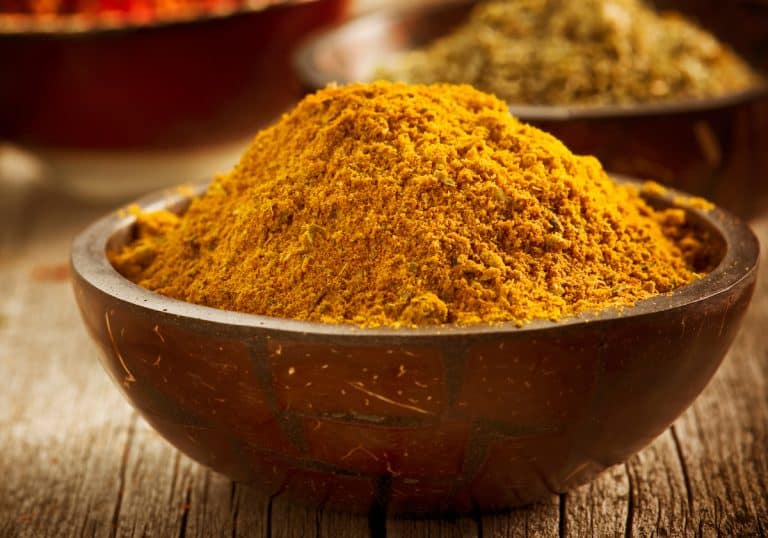
vindaloo curry powder

Vindaloo Curry Powder: Made For The Hottest Curry

Vindaloo is a popular curry dish famous for its searing heat. It is particularly popular in Britain. Vindaloo curry powder is used to provide its distinctive flavor. What may be less well known is that fact that the dish is a Portuguese invention. In much the same way that Madras curry is a British concoction and vadouvan is a product of the French palate, vindaloo curry emerges from the Portuguese venture into the subcontinent. Similar to the other aforementioned spice blends, it was the result of European cooking styles and taste preferences applied to Indian spices.

The name vindaloo comes from carne de vinha d’alhos, a Portuguese dish. The dish first showed up in India in the 15th century, being brought there by Portuguese explorers. Carne de vinha d’alhos is a dish consisting of marinated meat and garlic. The meat was marinated in red wine vinegar, which was not available in India. As a replacement for the red wine vinegar, the vinegar used in the Indian version was made from palm wine. Other Indian ingredients were added including tamarind, black pepper, and cardamom. Chili peppers would come later.
Read more

sambar powder

Sambar Powder: The Maratha Spice Blend

Sambar powder is a spice blend used in sambar, a tamarind-based soup. One legend has it that a Maratha ruler invented sambar when he attempted to make dal himself while his chef was away. He did this by adding tamarind to dal and calling the resulting dish sambar. This type …

Read more

Creole Seasoning

Creole Seasoning: French Flavors With A New Orleans Spin

Creole seasoning has a more aristocratic lineage when compared to Cajun seasoning as it comes from settlers who were born in Louisiana or who emigrated there voluntarily. Their ingredients and methods were improved upon by their personal chefs and greatly influenced by generations of African American cooks and by Native Americans as well. Cajun seasoning comes from the Acadians, who were forcibly repatriated to the US by the British. The two are seasoning blends are often confused by those not native to Louisiana but in their native state, they are seen as different blends.

Creole cooking revolves around the use of classical European cooking styles to prepare local ingredients. It was this evolution of European cooking in a new land that would eventually become the Creole cuisine that we know today.

Read more

Cajun seasoning

Cajun Seasoning: French Flavors Influenced By Rural Louisiana

Cajun seasoning is a spice blend that is supposed to encompass the flavors used in Cajun cuisine. It should not be confused with Creole seasoning even though the two are often viewed as interchangeable by people who are not from Louisiana. Creole cooking is associated with New Orleans, while Cajun cooking with more rural parts of Louisiana.

Cajun is a contraction of Acadian. The Acadians were French colonists who had originally settled in Nova Scotia, Canada. They were forcibly removed by the British and sent to the US in the 18th century. They eventually wound up in Louisiana bringing with them elements of French culture, including many aspects of French style cooking. These included the flavors that would eventually be combined in Cajun seasoning. Other aspects include their tendency to use all the parts of an animal and certain French cooking techniques.

Read more

Adobo Seasoning

Adobo Seasoning: The Marination Spice Blend

Adobo seasoning is a fundamental part of Latin cuisine. It is used in a large number of savory dishes from this food culture.

In order to understand the origin of adobo seasoning, it is important to understand one of the classic methods used in Spanish and Portuguese cooking. Historically, Spanish and Portuguese foods have relied heavily on preservation using vinegar and spices. In other words, they have used marination or pickling. This method of preserving meat and fish came in especially handy in the New World where warm temperatures and the lack of refrigeration methods made finding ways to keep food from spoiling especially important.

It should be noted that the native inhabitants of the Philippine Islands developed a method of cooking using vinegar separately from adobo but this method was also called adobo by Spanish colonists. The similarity between Filipino and Spanish vinegary dishes was first documented by a Spaniard named Pedro de San Buenaventura. The original name for the indigenous dish was never recorded, just the Spanish one.

Read more

jerk seasoning

Jerk Seasoning: The Jamaican Spice Blend

The jerk form of open-flame cooking is a complex and controversial issue that is misunderstood by many. Among the various misconceptions are that it is simply another form of grilled meat. Another is that it can be replicated perfectly with a few spices. The reality is that it is much more complex than that and that it is very difficult (though not impossible) to create an authentic jerk taste outside of the Caribbean.

The history of the jerk style of cooking and jerk seasoning mirrors the history of barbecue and gumbo in that it is a completely multicultural food. The notion of cooking over an open flame was at one time in history done out of necessity rather than choice, and that necessity was one faced by many people all over the world. Jerk is the product of Native Jamaican Indians called Arawak Indians, escaped slaves and European colonists.

Read more

tandoori masala

Tandoori Masala: A Spice Blend From Northern India

India has long been known for its abundance of spices and its cuisine revolves around them. Tandoori masala is one of many spice blends from the subcontinent, reflecting not only spices that originated there but also those imported from elsewhere like chili peppers. Tandoori masala’s roots are widely believed to lie in northern India before the country separated from Pakistan.

While the details of tandoori masala’s origin have long been lost to history, the more recent history of the spice is well documented. The spice has come to be associated with Indian-influenced cuisine made in the west. Tandoori chicken is said to have become popular in the US in the 1960s after being created at an Indian restaurant located in Delhi a decade before; however, some sources say that the dish has been around since the 1920s. The legend is that both tandoori chicken and tandoori masala may have originated in Peshawar, Pakistan.

Read more