Vadouvan

Vadouvan: The French Version Of Curry Powder

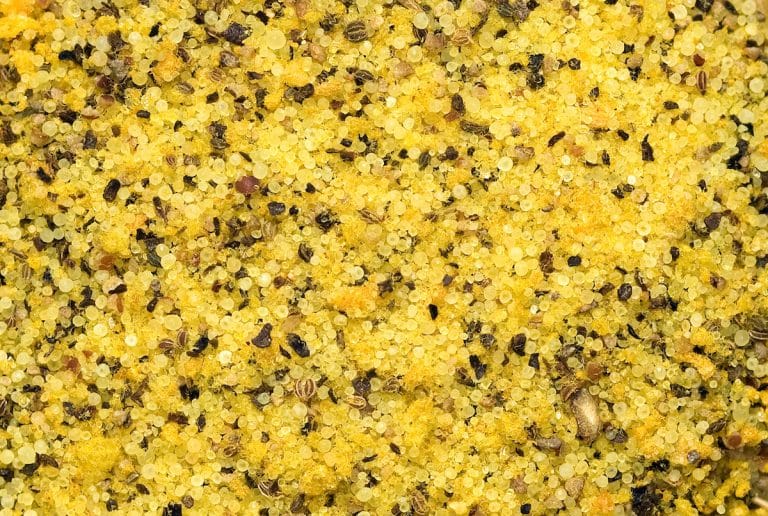
Vadouvan is most easily described as the French equivalent of the British curry powder. The principle is the same as that of curry powder in that its purpose is to adapt Indian spices to suit European taste buds; however, vadouvan does it with the characteristic French panache and subtlety. This history of vadouvan lies in the French colonial possession known as Pondicherry. This settlement in southern India was controlled by France from the middle of the 17th century all the way up to the middle of the 20th century. French chefs in this settlement used a Tamil spice blend called vadagam as their primary influence for vadouvan. Vadagam was traditionally rolled into balls and sun-dried before being used to flavor dishes.

Despite being around for centuries, vadouvan was not widely known in the US until chef Ludo Lefebvre of the famed LA eatery Trois Mec placed it on the foodie radar in 2005. This began a trend that continues today with American and western European gastronomes rediscovering this spice blend.
Read more

Taco Seasoning

Taco Seasoning: The Easy Way To Replicate Mexican Flavor

Taco seasoning is a convenient way to purchase and use the spices most commonly used for flavoring taco meat. The spices in taco seasoning are the same spices used throughout traditional Mexican cooking and include chili pepper along with cumin and oregano.

Food historians state that the first taco showed up at some point in the 16th century and consisted of tortillas, onto which were piled cooked meat and toppings. The word taco has one of two possible origins—a term for an explosive wrapped in paper used by Mexican silver miners and the Nahuatl word meaning in the middle. The original taco was most likely made with beef, but the popularity of the dish would spread throughout Mexico. The result would be numerous regional taco variations using different meats including pork.

Read more

chaat masala

Chaat Masala: The Flavor Of Indian Street Food

Chaat refers to a dish that can consist of a range of fried foods, including potatoes and dough seasoned with a blend that includes certain spices. That spice blend is called chaat masala.

The origin of chaat is steeped in mystery. Some say it comes from Bengal, while others say Delhi; however, the best-known story of its beginnings states that it originated in Agra. Agra is in the state of Uttar Pradesh. It is said that chaat came from the royal kitchen of the Mughal emperor Shah Jahan. The story is that he fell ill and was instructed to consume only lighter foods. His cooks invented chaat to meet that need.

The dish would eventually become popular throughout India and influence the creation of a variety of other dishes with similar flavor profiles including samosas and chandni chowk.

Read more

Greek seasoning

Greek Seasoning: A Blend Of Mediterranean Flavors

Greek seasoning is a blend of herbs and spices commonly used in Greek cuisine. Many of the components have their origin in the Mediterranean region and have grown there throughout history up to the present. Others have been imported since the days of ancient Greece. Oregano is one of the ingredients that show up in most Greek seasoning blends and it originated in Greece along with marjoram, another popular ingredient. Both herbs were used by ancient Greeks with marjoram being considered a symbol of happiness. Garlic is also a popular Greek seasoning ingredient and was used by ancient Greeks as well as the ancient Egyptians before them.

Cinnamon and nutmeg originated in Asia, but both spices made their way into Europe and eventually became staples in Greek cuisine.

Read more

Harissa Powder

Harissa Powder: The Flavor Of North Africa

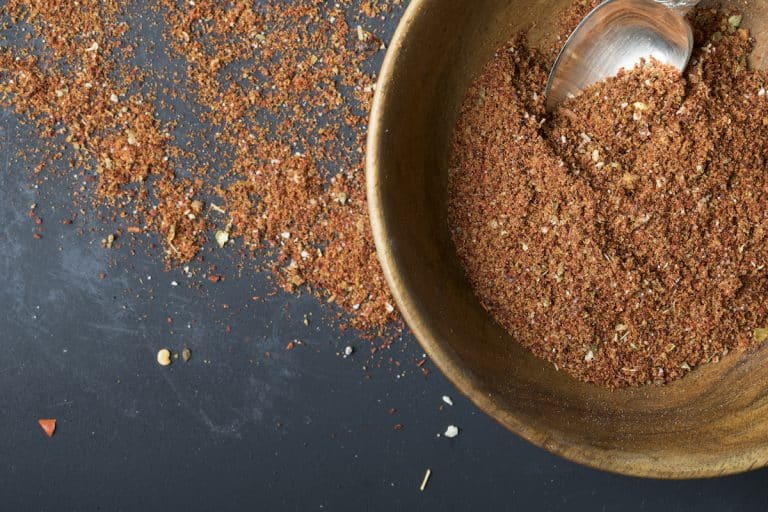
The name harissa comes from an Arabic word: harasa. Harasa means to pound and comes from the fact that the spices in the harissa spice blend are pounded into a powder. There are many versions of harissa, some are very simple and may include as few as three ingredients; others are more complex. While the blend is best known in paste form, harissa powder is widely used as well.

Dried chili pepper is arguably the most important component of harissa powder. Chili peppers entered into North African food culture as a result of the Spanish ventures into the New World. In addition to their exploration/conquest of the Americas, the Spanish also occupied North Africa in the late 16th century. This is probably when the chili became a part of the diet in this part of the world.

Read more

lemon pepper

Lemon Pepper: A Seafood Seasoning And Much More

In its most basic form, lemon pepper is simply a combination of two popular flavoring agents: lemon and black pepper. The point in history at which these two spices were first combined is unknown. As with many simple seasoning blends, the identity of the inventor was never documented and has been lost to history; however, both the lemon and the black peppercorn originated in India. It is not unreasonable to think that they were first combined and used as a seasoning blend there (or elsewhere in the east) as well. Both lemon zest and black pepper are used in a number of Indian dishes.

Read more

chai spices

Chai Spices: A Blend Of English And Indian Tastes

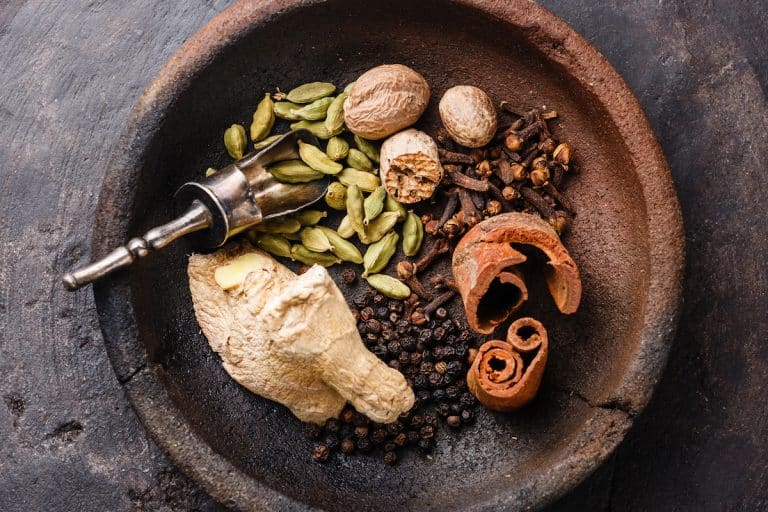
Chai is the Indian word for tea. The chai that most westerners know is actually masala chai, which means spiced tea. The spices used in this tea are what is known as chai spices. Masala chai has been used for thousands of years. Depending on which of masala chai’s origin stories you believe, masala chai was created 9,000 years ago or 5,000 years ago. The location is also disputed as some say that it was first made in India, others say Thailand.

The earliest masala chai was made with the chai spices only and there were no tea leaves included. It was created as an ayurvedic remedy for a range of minor health issues.

Read more

apple pie spice

Apple Pie Spice: The Flavor Of Autumn

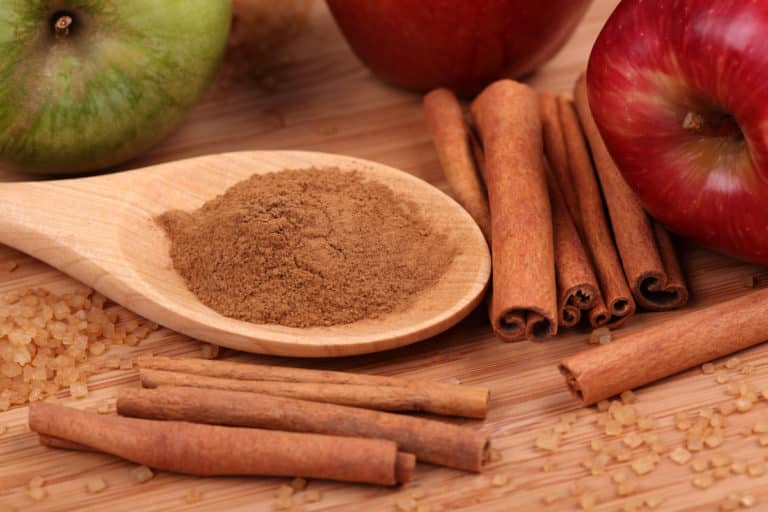
The apple pie as we know it originated in Europe, with several variations throughout the continent. The most widely known variations are the English, Dutch and Swedish apple pies. While all three have made their way into the American food culture, the English version is the one familiar to most …

Read more