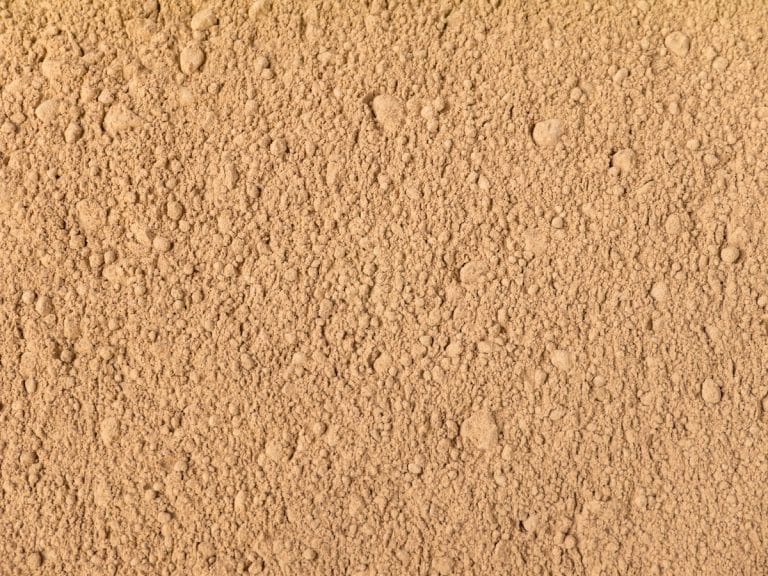
Amla powder

Amla Powder: Ancient, Tart, And Nutritious

Amla powder is made from the amla fruit, which is also known as the Indian gooseberry. The fruit is dried and ground to make amla powder. Despite the Indian gooseberry name and the fact that it resembles the common gooseberry, amla is actually unrelated to it. The fruit comes from a tree native to India and is mentioned extensively in Ayurvedic texts. Sushruta, considered the father of Indian medicine made mention of Amla’s health benefits. Sushruta is believed to have lived between 1500 and 3000 BCE, indicating that the fruit has been used in India for millennia.

Amla is found all over Asia but primarily grows in India and China. While the amla is used in Myanmar and other parts of Asia, its use is far more extensive in India. The deciduous trees that produce the fruit grow best at high elevations and thrive in northern states including Kashmir. In India, amla season lasts from October to April. During this period, products made with it are widely available. For the rest of the year, the dried amla used to make amla powder is widely available.

Read more

long pepper

Long Pepper: Black Pepper’s Predecessor In Europe

Long pepper is also known as Piper longum and was being used in India in 1000 BCE. It is believed to have originated in the subcontinent, much like Piper nigrum (black pepper). It showed up in Europe around 6 BCE and was readily adopted by Greek cooks. Long pepper’s distinctive bite was completely unknown in European cuisine at the time. One could say that it was the first of a long line of Far Eastern spices to dominate European cuisine. In India, the spice had certain health benefits ascribed to it that made it a popular spice in Ayurvedic medicine.

Later on, the spice would become popular with the Romans as well. Pliny the elder would write about its benefits. Long pepper became a fixture in Roman cuisine as their traders learned to navigate through monsoons to reach India. Both long pepper and black pepper were readily available to the Romans, but long pepper was three times more expensive due to its relative scarcity. The pepper would continue to be a much-desired spice and one of the core spices in the spice trade between Europe and the Far East. The pepper was so universally loved that it became an important part of both European and Chinese dishes.

Read more

egg white powder

Egg White Powder: Egg Whites With A Long Shelf Life

Egg white powder is simply egg white that has been spray dried. Spray drying involves spraying the egg whites into hot air within a dryer chamber; it is essentially the same as the process used to make powdered milk. Early forms of egg white powder were made by drying the egg whites and then grinding them into powder. The spray drying process eliminates the need for grinding. After being spray dried, the egg white powder is pasteurized to rid it of microbial contamination.

Powdered eggs have been around since the early part of the 20th century; they were mentioned as a staple of camp cooking by the Boy Scouts. The benefit was the same as that of powdered egg whites, which is that it is a shelf stable product.

The method of spray drying egg was developed as a means of supplying the military with food that did not require refrigeration.

Read more

jaggery sugar

Jaggery Sugar: An Ancient Indian Sweetener

Jaggery sugar is sugar in block form made from the juice of the sugarcane and sometimes from the sap of the date palm tree. It is consumed in Africa, parts of the Americas, and Asia. It is most widely used in India. While some sources claim that jaggery was brought to India by the Portuguese, it is more likely that it originated in the subcontinent. The Indian name for jaggery is gur and the Indian government claims that practitioners of Ayurvedic medicine have been using it for 3,000 years. However, the name jaggery actually comes from the Portuguese word jagara.

The Indian origin of jaggery sugar is more likely given the fact that India has been connected to the production of sugar for much of the time that sugar has existed. The sugarcane made its way to India from Polynesia before sugar made from it slowly spread through the rest of the world.

Read more

rapadura sugar

Rapadura Sugar: Brazil’s Unrefined Sugar

Rapadura sugar is a type of minimally processed sugar that goes by many names. The term minimally processed means (among other things) that it has not been centrifuged to remove its natural molasses. It also means that the sugarcane juice used to make it has been boiled at a relatively …

Read more

Demerara sugar

Demerara Sugar: Guyana’s Brown Sugar

Demerara sugar is named after the province in Guyana in which it was first made. While it still bears the Demerara name, it now refers to a type of sugar and does not necessarily indicate sugar made in Demerara.

Sugar production in Guyana began in the mid-1600s while the colony was still under Dutch control. The progress of this new industry was slow at first, mostly because of fighting between the major European nations over their New World colonies. Portugal, Britain, and Spain were all caught up in a cycle of squabbles over territory that left settlers unable to put down roots for very long in one place.

By the end of the 18th century, there were more than 100 sugar plantations along the Demerara river. In the middle of the 19th century, the British took control of Demerara and sugar production significantly increased under them.

Read more

muscovado sugar

Muscovado Sugar: The Darkest Raw Sugar

Sugar refinement is an Indian invention. When India fell under British colonial rule, the processes for cultivating sugarcane and refining sugar were exported to other British colonies. Those colonies included Mauritius, which is where what we call muscovado sugar was first produced. Muscovado sugar is a raw sugar and unlike …

Read more

turbinado sugar

Turbinado Sugar: Not Quite A Raw Sugar

Turbinado sugar is one of the many forms of brown sugar. It is sugar that has been spun in a centrifuge to remove some of its molasses content, but not all of it. As a result, it is considered partially refined. The turbinado name is thought to come from the process of spinning it in the centrifuge, which translates to turbina in Spanish. The name is thought to have a Cuban origin.

Turbinado sugar is one of the early brown sugars and is similar to Demerara sugar, which is the British version that is named after a place in Guyana. Both are partially processed sugars with large crystals. Turbinado sugar comes from the first pressing of the sugar cane and is washed once to remove impurities and much of the molasses content, but not all of it. In comparison, granulated white sugar has undergone both washing and filtering. Turbinado sugar is thought to have originated in the Americas at some point between the 17th and the 19th centuries.

Today, turbinado sugar is sold in the US under the brand name Sugar in the Raw.

Read more