Juniper Berries

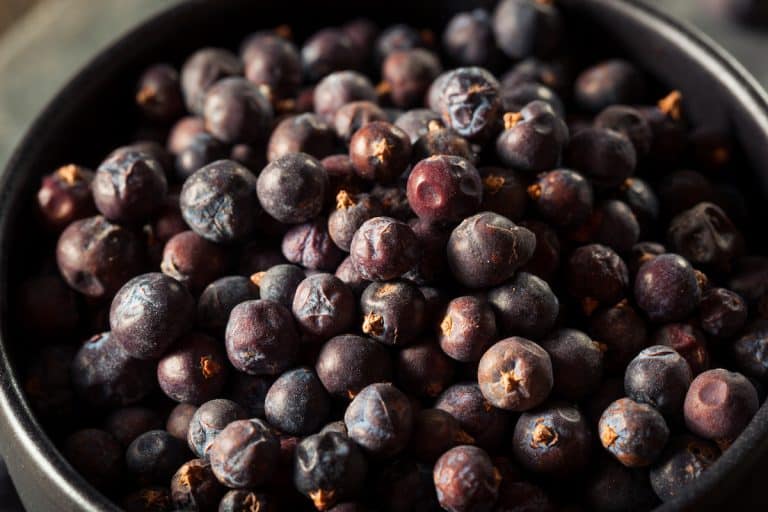
Juniper Berries: The Flavor Of Gin And Alpine Cooking

Juniper berries are among the few spices that come from colder parts of the world and are not berries at all. They are actually conifers, like pine cones. They are very tightly clenched, which makes them look like berries.

Juniper berries have been found in ancient Egyptian tombs, even though they do not grow in Egypt. Historians believe that they may have been imported from Greece as there are records of the Greeks at the time using them in medicine and as a spice. Ancient Greeks believed that the berries increased the stamina of athletes and used them during Olympic events. The Ancient Romans also used the berries. For the Romans, it served as an alternative to black pepper from India or was combined with black pepper to dilute it. According to Pliny the Elder, juniper berries took on the pungency of black pepper when mixed with it.
Read more

fleur de sel salt

Fleur de Sel: The Salt Of The French Coast

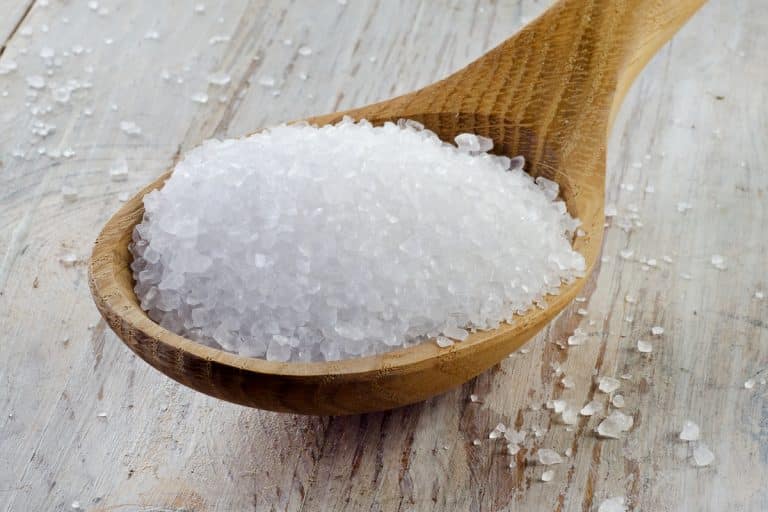
Historically, fleur de sel has been harvested from saltwater flats. As seawater evaporates, fleur de sel floats to the top in shallow marshes where it is skimmed off by hand. It forms only in certain specific weather conditions, which accounts for the fact that it is very expensive. Its name translates to flower of salt as it is considered the most delicate salt.

Fleur de sel is harvested in coastal France, at the point where the Rhone runs into the Mediterranean Sea. The area where it is sourced lies mostly in Brittany, but not entirely.

The primary method of acquiring sea salt may have first been practiced by the Egyptians, but may also have come from the Gauls. The knowledge was passed on to the ancient Romans; Pliny the Elder would mention it in his natural history book, referring to it as flos salis. The Romans used it as an ointment and a laxative, not for seasoning food.

A few centuries later in 868 AD, fleur de sel the town Guerande was considered the capital of French sea salt production. At this point, the harvesting was mainly done by women as the work was deemed too delicate for men to perform.

Read more

gumbo file powder

Gumbo File Powder: The Choctaw Spice

True gumbo file powder is made entirely from ground leaves of the sassafras tree. Note that there are gumbo file seasonings that may include sassafras along with other spices. Sassafras is considered by many to be the only truly North American spice. The use of sassafras began with native Americans. In particular, the Choctaw people were known to grind the leaves and add them to their soups and stews. use of the leaves was later on adopted by settlers from Europe and would eventually become associated mainly with the Acadians.

In the early 17th century, sassafras was considered a wonder drug and was used as a remedy for a host of diseases. Its popularity was such that it would become the second most popular American export after tobacco. The popularity of sassafras as a herbal remedy lasted all the way up to the early 20th century.

Read more

anise seed

Anise Seed: More Than A Flavoring For Italian Sausage

Anise got its name in Latin from the Greek term for dill due to being confused with that herb. As a result, all languages that descended from Latin have retained the Latin word for the spice without much alteration.

The anise plant most likely originated in Egypt but may come from the Eastern Mediterranean or Western Asia. Anise was being used in ancient Egypt as early as 1500 BC. Anise was later popular in Rome. Mathematician Pythagoras was one of the spice’s Roman fans and he extolled the virtues of all parts of the plant including the seeds. Both Hippocrates and Dioscorides suggested its use as a cough remedy while most Romans used it primarily as a digestive aid. It was popular for use in spiced wedding cakes. It is thought that this anise-flavored wedding cake was the first wedding cake.

Read more

citric acid

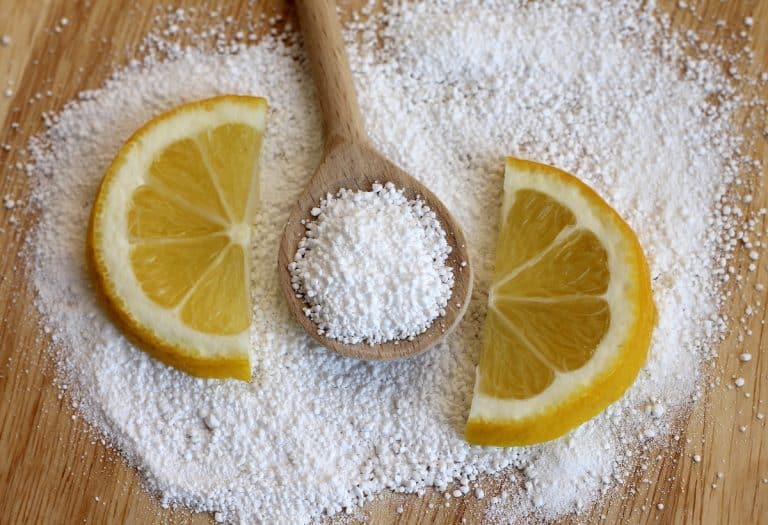
Citric Acid: An Ancient Souring Agent And Preservative

Citric acid was discovered around the 8th century. According to historians, its discoverer was the Persian alchemist Jabir Ibn Hayyan. It would not be isolated until 1794 when a Swedish chemist named Carl Wilhelm Scheele discovered how to isolate citric acid from lemon juice. Scheele was the first to isolate a variety of acids, including tartaric acid. In 1890, the Italian citrus industry would become the basis of industrial-scale citric acid production.

The next big milestone in citric acid history occurred in 1893 and would come as a result of C. Wehmer’s discovery that Penicillium mold could be used to make citric acid from sugar.

Read more

curing salt

Curing Salt: More Than Just A Preservative

Salt has been used as a preservative for much of human history. The first recorded use of salt in meat preservation actually began with the ancient Sumerians around 3000 BC. The Sumerians were the first recorded people who salted and dried meat for curing purposes. Salt with nitrite was also used to preserve meat by the ancient Greeks; however, their use of it was not deliberate as they were unaware of the presence of nitrite since it was an impurity in the salt. The ancient Romans would learn of curing meat from the Greeks and would note the reddening effect of the nitrite but no one would understand its role until much later in history.

Curing salt is also known as Prague Powder or pink salt; however, it is not to be confused with pink Himalayan salt and should not be used in the same way. If you were to look up recipes containing it, you would find that many specifically refer to it by the Prague powder name rather than as curing salt. While there are many who speculate that Prague powder came from the city of Prague in the Czech Republic, its roots (and the roots of the name) are much less exotic. Curing salt was actually invented at the start of the 20th century as scientists identified the nitrites that could be used to preserve meats. Salt was also used during the Middle Ages in Europe, where salt beef became a popular food.

Read more

tomato powder

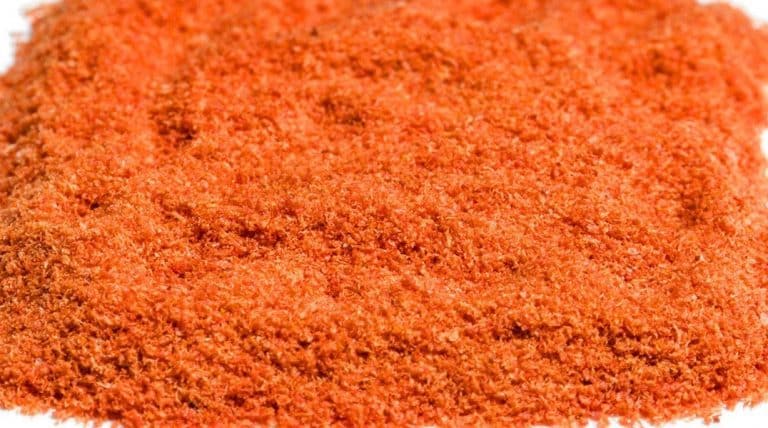
Tomato Powder: Sweet And Tangy

Tomato powder is made from dehydrated tomatoes, which are ground to powder. While the identity of the first person to make powdered tomatoes may be lost to history, what is known is that it the Aztecs were sun-drying tomatoes as early as 700 AD. The Aztecs salted and dried tomatoes to remove their moisture, which helped to preserve them for longer periods. Dried tomatoes were able to provide nutrition during seasons where it was impossible to grow and harvest fresh fruits and vegetables.

Tomato powder made from sun-dried tomatoes was widely used in Italy in the 19th century and was seen as preferable to canned tomatoes due to the risk of lead poisoning from the cans. Modern methods for making tomato powder include spray-drying, oven drying and freeze drying. Today, tomato powder is produced commercially in many places around the world including Israel and Niger. It is popular for the same reasons that the Aztecs dried tomatoes—long shelf life and versatility.

Read more

hibiscus powder

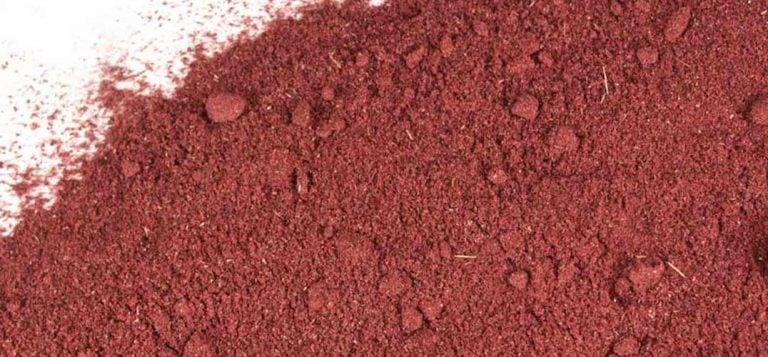
Hibiscus Powder: A Tart And Fruity African Spice

When discussing hibiscus, it is important to note that there are two different plants with that name and both of them have culinary applications. There is a flower of Asian origin that is used as a food coloring in Malaysia. This hibiscus is Hibiscus rosa-sinensis and it belongs to the mallow family. The hibiscus that is more common in the west and that is used as a powdered spice, tea and as a food coloring is Hibiscus sabdariffa. This hibiscus also belongs to the mallow family and most likely originated in Africa. Hibiscus sabdariffa is thought to have been domesticated in the Sudan 6,000 years ago. It was introduced to India and the Americas in the 17th century and to Southeast Asia at the start of the 20th century. The plant was cultivated for its fibers, which were used in making sugar sacks for the Indonesian sugar industry.

Read more