nutritional yeast

Nutritional Yeast: Versatile In The Kitchen

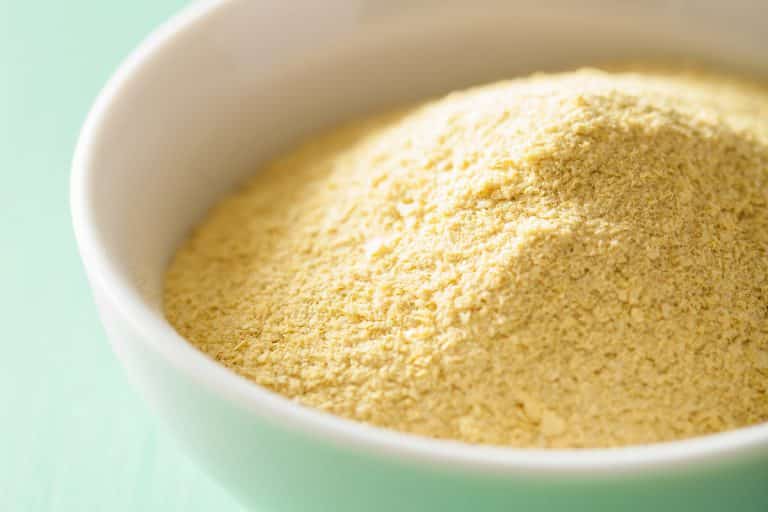
The use of yeast as a food dates all the way back to the Ancient Egyptians. Note that unlike the yeast used to leaven bread, nutritional yeast is inactive. It has been deactivated so that it cannot be used to make bread rise or convert sugar into alcohol. It is also different from brewer’s yeast, though the two are strains of the same fungus.

The main difference is the source. As its name suggests, brewer’s yeast is a product of the brewing industry; it is typically bitter because it is grown on malted barley and other grains. Nutritional yeast is obtained via other media, like molasses. They both contain similar amounts of roughly the same nutrients.

Researchers have traced the ancestry of modern yeast strains to yeasts back to the 16th century, but commercial production of nutritional yeast really began at the start of the 20th century. It was made usable largely as a result of the invention of the microscope and because of Louis Pasteur’s studies. Both of these factors made it possible for scientists to get a better understanding of yeast.

Read more

lemon zest

Lemon Zest: The True Flavor Of Lemon

After originating in Northern India, lemons made their way to other parts of the world by about 100 BC and would be used mostly as ornamental plants until 10 AD. They would be introduced to Europe by Arabs conquering Spain and then taken throughout the rest of the continent by returning Crusaders.

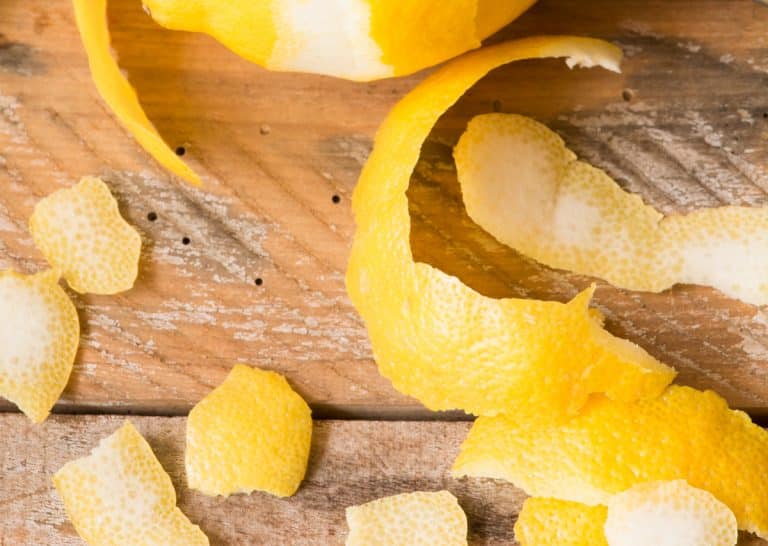
The zest or outer portion of the lemon peel would eventually become a popular spice and would be included in recipes from as early as the 15th century. The word zest would emerge in the 17th century as a term indicating citrus peel used for flavoring. The origin lies in the French word zeste. The definition has since been refined to indicate the colored part of the peel without the white pith underneath. The zest of the lemon would be a crucial flavoring ingredient for French pastries before vanilla became widely available.

Read more

lemon peel

Lemon Peel: More To It Than Zest

Lemons are thought to have originated in the northwest part of India and have been cultivated there for over 2,500 years. Some researchers consider them to be a hybrid between sour orange and citron. Lemons were brought to the Middle East and Africa after 100 BC.

Lemon trees were first used as ornamental plants until about the 10th century. Shortly after that, lemon plants would be introduced to Spain by the Arabs. From there, lemons would be introduced to the rest of Europe by crusaders who brought them back. It was during the early part of lemon’s history in the Mediterranean that lemons were first preserved. Preserved lemons are lemons that have been salted and fermented. In this preparation, the peel is what provides most of the flavor. The preserved rinds are removed from their brine and used as a spice in foods.

Read more

powdered sugar

Powdered Sugar: Fine Grained Sweetness

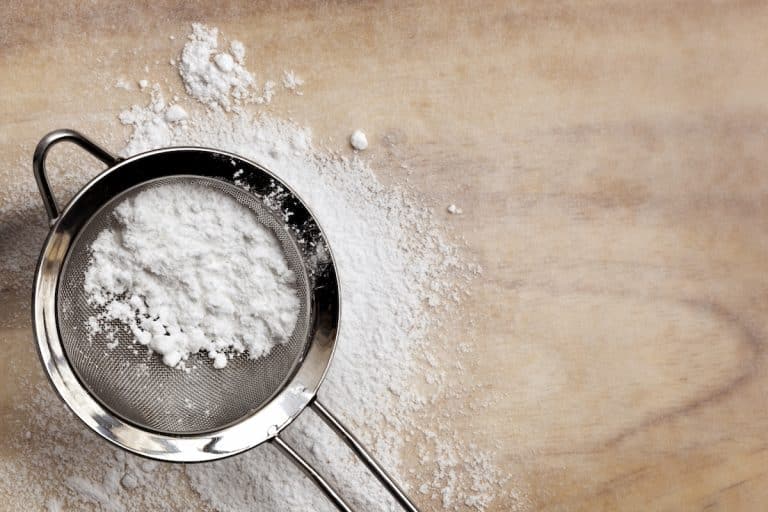
While there are reports of European confectioners using powdered sugar as far back as the 18th century, it was not until the Victorian era that granulated sugar was widely available to the general consumer. Before that period, sugar was transported in large loaves or cones. The sugar in these loaves would vary wildly in their degree of refinement. To make that sugar usable, the consumer had to break lumps of sugar from the loaves or cones. If they wanted grains of sugar, they would have to grind the lumps.

The task of breaking sugar from the loaves or cones could be done with a mallet and knife, or with specialized tools called sugar cutters that resembled scissors.

To make powdered sugar, cooks had to grind or grate the lumps to a fine consistency using a mortar and pestle or with a spice mill. They would then sift the ground sugar to separate out the larger chunks so only the finest grains remain.

Read more

confectioners sugar

Confectioners’ Sugar: The Essential Component Of Frosting

From the 16th century to the 18th century, consumers got their sugar in varying degrees refinement. As a result, recipes from this period often included directions for clarifying and sifting sugar. Sugar was sold in the form of loaves or cones and pieces were cut from them with the use …

Read more

cacao powder

Cacao Powder: An Antioxidant Powerhouse

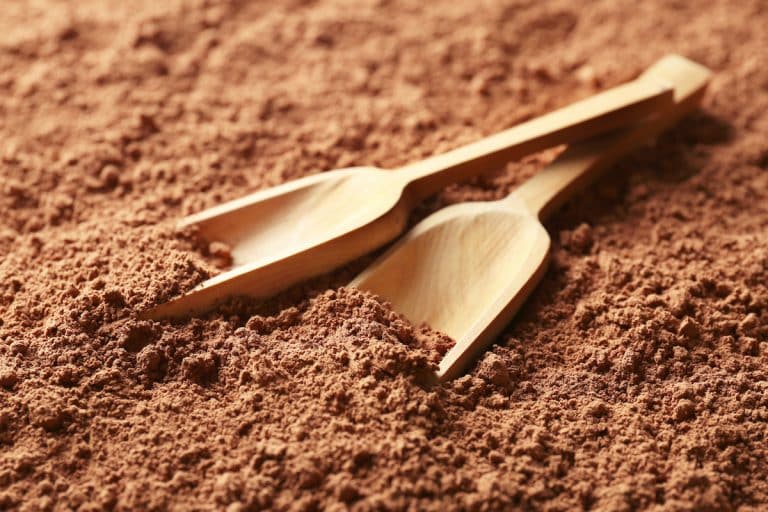
Cacao powder comes from the Theobroma cacao tree, which is an evergreen tree that grows in Central and South America. Raw cacao powder is the same thing as raw cocoa powder and consists of the ground beans from the cacao tree that have been subjected to minimal processing. These beans are the main raw ingredient chocolate.

There is evidence that cacao was consumed in various American cultures before the arrival of Columbus. The name cocoa is thought to be a misspelling of cacao, which is the Spanish version of the Aztec word cacahuatl. Cacao beans were valued so much among the Aztecs that they were used as currency. Cacao trees could not be grown in the dry areas that made up the heart of Aztec civilization, so they would trade with the Mayans for the beans.

Read more

cane sugar

Cane Sugar: The Original Sugar

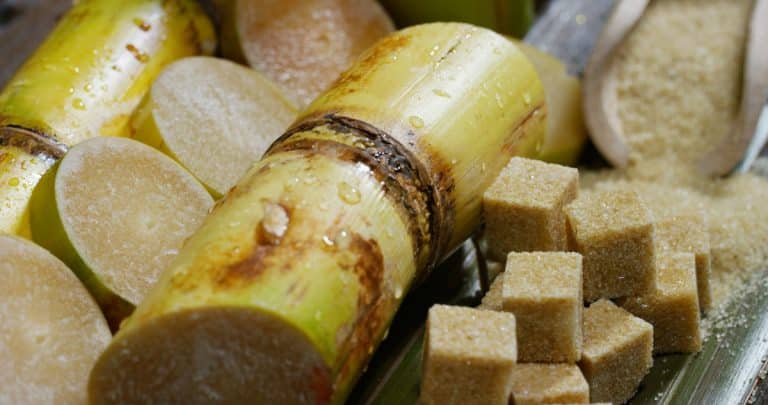
Sugar cane is indigenous to Polynesia but would make its way to India about 8,000 years ago. When the Persians invaded India, they adopted it and developed a method for extracting cane sugar around 600 BC. Note that some historians claim that cane sugar extraction first took place in Northern India. Alexander the Great’s Indian campaign would make sugar cane known in Europe around 327 BC and the Arabs would learn about sugar cane and the process of making cane sugar when they invaded Persia around 642 AD. Around 1096, the European Crusaders would learn about Arab cane sugar and sugar cane cultivation methods. It was at this time that Europe began getting shipments of cane sugar on a regular basis.

Read more

Poppy seeds

Poppy Seeds: An Ancient Sumerian Baking Spice

Poppy seeds are believed to have originated in either Western Asia or the Western Mediterranean region. Historians believe that they were first cultivated in lower Mesopotamia by the Sumerians around 3400 BC. It was at this point that opium was discovered and first used. The plant, along with its medicinal and dietary uses would be passed on to the Assyrians and from them to the Babylonians and then to the Egyptians. Poppy seeds were documented by the Ancient Egyptians around 1550 BC as being an effective sedative. Poppy seeds were also used by the Minoans during the Bronze Age.

Read more