jalapeno powder

Jalapeño Powder: Spicy And Bright

Jalapeños have been around since before the Aztec civilization. The Aztecs smoked these peppers to dry them since their thick flesh made sun-drying difficult. When smoked, jalapeños are referred to as chipotle peppers. Smoking was necessary since the peppers tended to rot rather than dry out when left in the …

Read more

Himalayan Salt

Himalayan Salt: A Colorful Finishing Salt

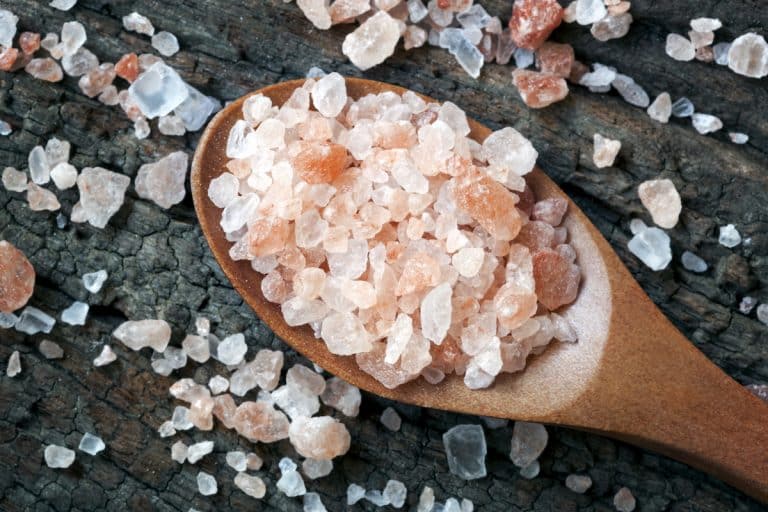
All Himalayan salt comes from the world’s oldest salt mine in Pakistan’s Punjab province. The area is known as the great Salt Range. According to geologists, the mine was formed when shifting tectonic plates trapped an inland sea that was eventually dehydrated. The salt is what was left behind. The salt’s most distinctive characteristic is its color, which is pink (why it’s often known as Himalayan pink salt). The pink color is thought to come from the remnants of sea life that existed in the ancient ocean.

The tunnels in the mine would be developed in the 19th century. This was due to the efforts of a mining engineer from Britain who came up with a special method for tunneling further into the Salt Range. His technique is still used today.

In addition to being the oldest salt mine, it is also the world’s second largest and covers approximately 43 square miles.
Read more

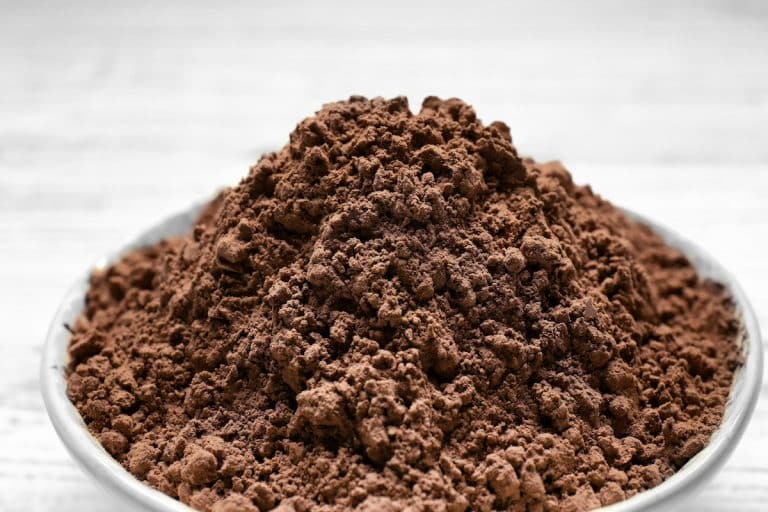
Cocoa Powder

Cocoa Powder: A Universally Loved Flavor

Most historians believe that the first people to cultivate and use cocoa were the Olmecs who lived in what is now Mexico between 1500 and 400 BC. They are believed to have discovered its usefulness by observing rats eating the fruit of the cocoa tree. Both the Mayans and Aztecs would follow suit and come up with their own methods for cocoa cultivation.

When Europeans arrived in the New World in the 16th century, cocoa was being used as by the Mayans as a ritual drink. Their word for cocoa was chocolatl, from which we get chocolate. Cocoa would be eventually be adopted by the Spanish explorers visiting the New World though some did not like the taste at first. The Mayans would keep the methods of making cocoa secret for almost a century after introducing it to the Spaniards.

Read more

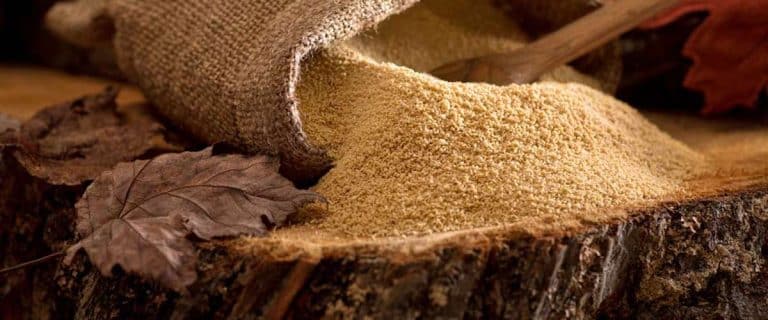
Maple Sugar

Maple Sugar: The Native American Sweetener

Maple sugar is made from maple syrup, which was being used and processed into sugar long before the arrival of Europeans in North America. At the end of winter, the Native Americans would boil the sap of the maple tree to remove moisture and produce sugar that they could use throughout the rest of the year. It is commonly accepted among historians that the Europeans learned about harvesting and processing maple from the Native Americans.

Read more

sesame seeds

Sesame Seeds: Not Just For Burger Buns

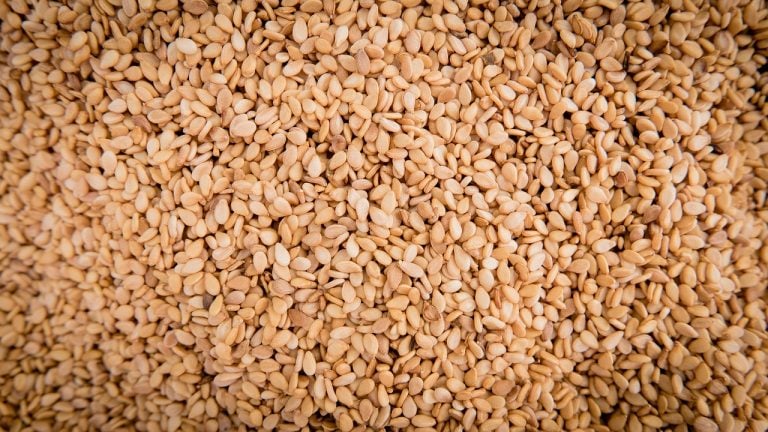
Sesame seeds are one of mankind’s most ancient foods. They are among the first plants in human history to have been cultivated for their seeds and the oils in them rather than for their leaves, fruits or roots.

The name sesame goes all the way back to Ancient Egypt. The Ancient Egyptian term for sesame was sesemt. Other mentions of sesame come from the Assyrians. An Assyrian myth states that their gods drank sesame wine before creating the Earth.

Sesame is thought to have originated in India, but its use has spread to both China and Africa. The Chinese also used sesame oil as a fuel for their lamps 5,000 years ago.

Read more

Palm Sugar

Palm Sugar: A Healthier Sweet

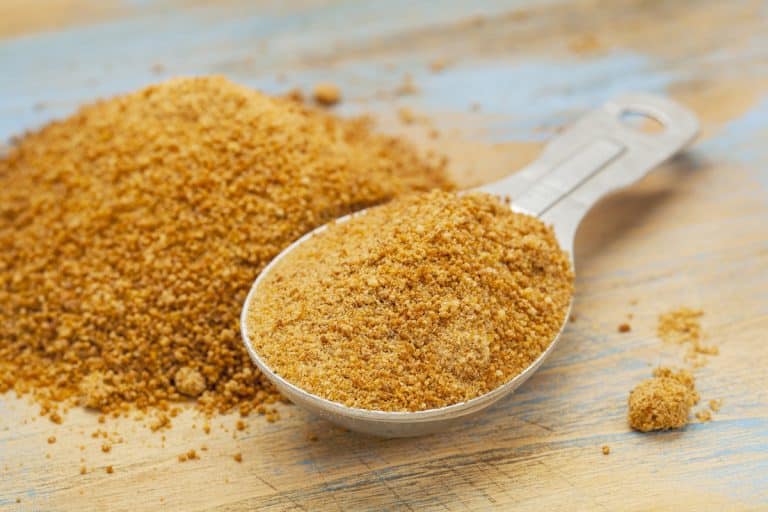
Palm sugar is made from the saps of various palm trees. The species of palm used depends on the region in which the sugar is being made. In the Canary Islands, syrup made from the sap of the palm tree was in use well before the arrival of Europeans. The …

Read more

table salt

Table Salt: A Fundamental Flavor With A Long History

Salt has been a popular condiment for most of human history, and for much of that time it has not been nearly as inexpensive and as easy to find as it is now.

Ancient Egyptians used salt as a part of their religious offerings and the Ancient Greeks used it as currency. In Ancient Greece, slaves could be purchased for salt. The practice gave rise to the expression “not worth his salt.” It held the same value as gold in Ancient Rome. In the Roman Republic’s early years, it was responsible for the city’s growth with roads being constructed to ease its transportation. Similarly, it has been an important commodity in China for more than 2,000 years; it was one of the factors in the growth of China’s ancient empires.

Read more

vanilla

Vanilla: A Flavor From Orchids

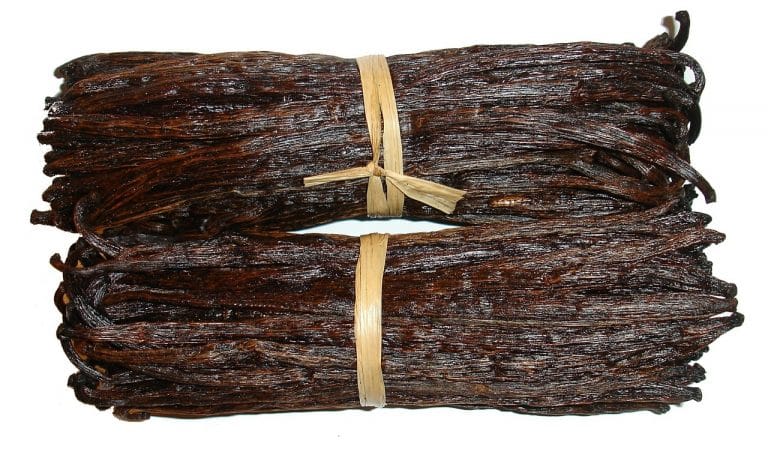
Like chili peppers, vanilla comes from South and Central America, as well as from the Caribbean. It is one of the thousands of orchid species.

Historians believe that the first people to cultivate it were the early dwellers on the east coast of Mexico called the Totonacs. The Totonacs were conquered by the Aztecs, who got their vanilla before being conquered by the Spanish in the 16th century.

The Aztecs flavored their chocolate with vanilla and so did the Spaniards once they grew accustomed to the taste. As a result, Europeans considered vanilla to be nothing more than a flavoring for chocolate for decades. Only in the 17th century did the use of vanilla without chocolate become popular. In England, Queen Elizabeth I enjoyed sweetmeats flavored with vanilla. By the 18th century, the French were making ice cream flavored with vanilla.

Read more