Achiote Powder

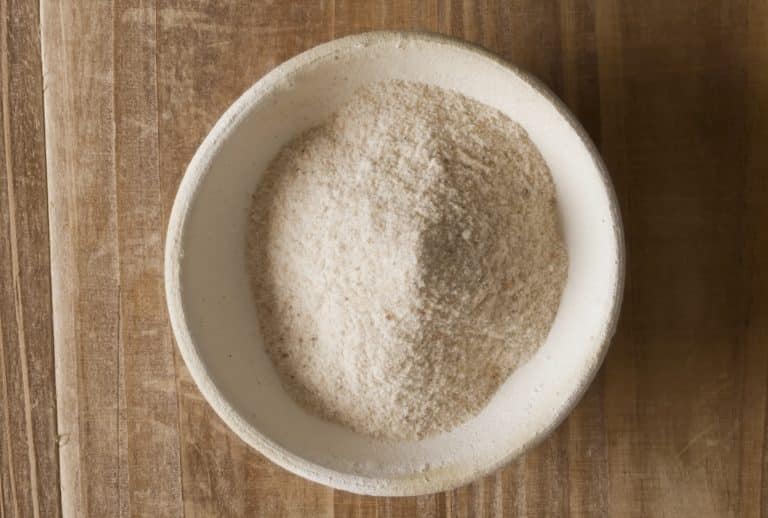
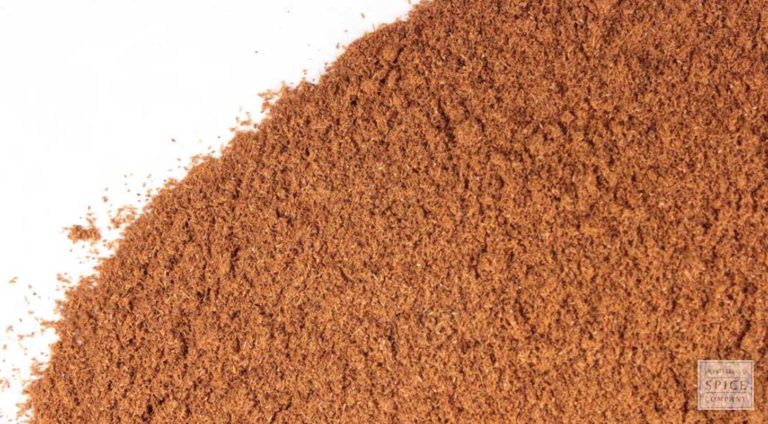
Achiote Powder: Pure Red

Achiote powder is a spice that consists of ground annatto seeds, which can be in the form of a powder or served as the main ingredient in a paste. The terms achiote and annatto can be used interchangeably, and you may see this seasoning listed as either in products. Europe’s first …

Read more

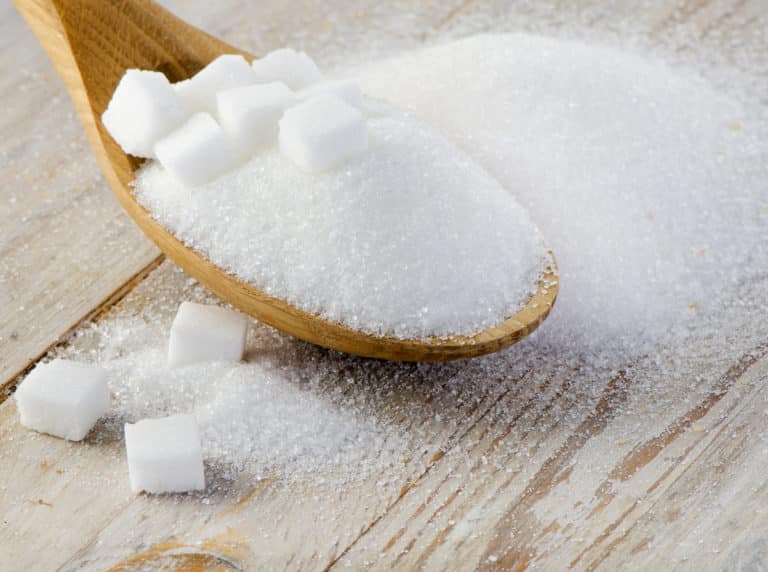
white sugar

White Sugar: The Most Popular Flavor On Earth

Refined white sugar is brown sugar that has had all of its molasses removed until it achieves an absence of color. Even though sugar has had a long history, the process of refining it was relatively unchanged from the 14th to the middle of the 19th century. The process of …

Read more

sassafras

Sassafras: A True North American Flavor

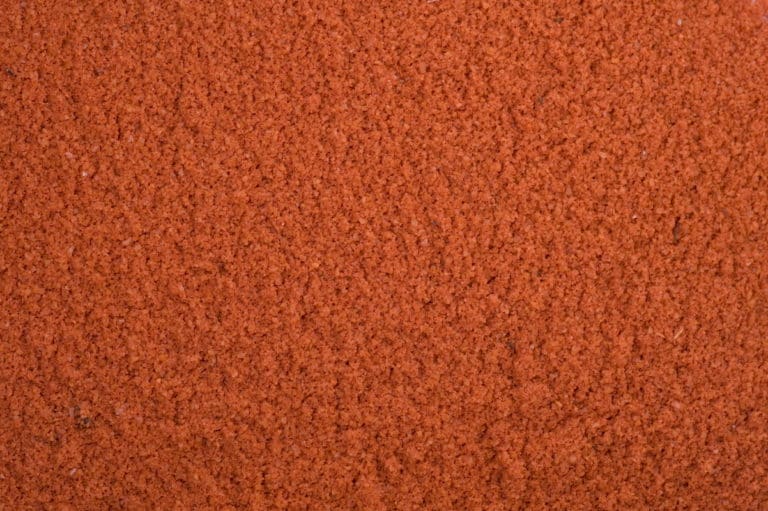
Most of the popular herbs and spices come from tropical regions, usually the Far East but sometimes from Africa or from Central and Latin America. Sassafras is different in that it comes from North America. The tree that produces it comes belongs to the Lauraceae family that includes cinnamon and the bay trees that give us bay leaves.
Read more

Asafoetida

Asafoetida: A Spice With An Unforgettable Aroma

Asafoetida is a spice consisting of the resin from a plant called Ferula that is native to Iran and Afghanistan. Hing and ferula asafoetida are two of this spice’s many other names. Alexander the Great first brought it to Europe in the belief that it would a good substitute for Cyrenaic silphium. The now-extinct silphium was used in antiquity as both a medicine and a spice. After silphium’s extinction, asafoetida would take its place despite being weaker and having a less pleasant aroma. Medicinal use of asafoetida dates back to 700 BC.

The philosopher Maimonides, who lived between 1135 and 1204 recommended its use in moderation.

The spice would lose favor in Europe after the fall of the Roman Empire up to the 16th century. After that, its use was rare and usually medicinal. Today, it is almost unheard of in European cuisine but is still widely used in India.

Read more

Light Brown Sugar

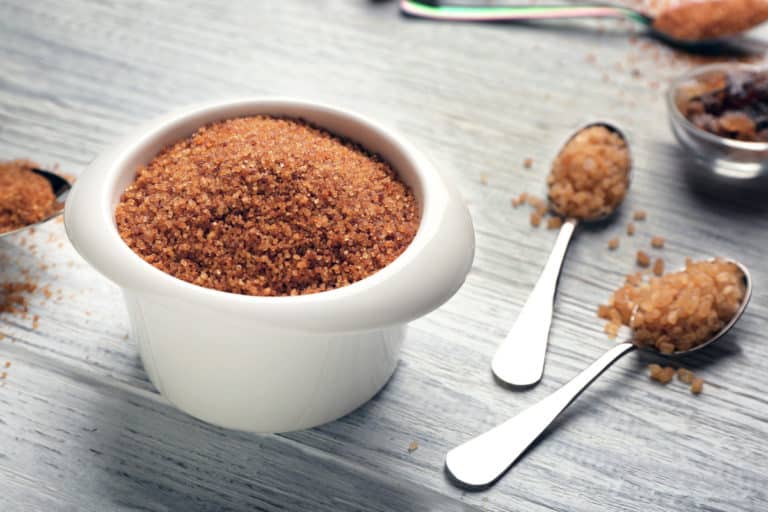
Light Brown Sugar: The Milder Version Of Brown Sugar

Like dark brown sugar, light brown sugar consists of refined white sugar with added molasses. Light brown sugar simply has less of it. Dark brown sugar contains 6.5 percent molasses, light brown sugar has 3.5 percent.

Sugar cane originated in the South Pacific and made its way to the Middle East by way of India. It would be discovered by crusading Europeans in the 11th century. Sugar would reach England for the first time in 1099.

When Christopher Columbus traveled to the New World, he would take sugar cane plants with him. In the tropical climate of the Americas that was similar to that of the South Pacific, the plants flourished and thus an industry was born. At this point in history, sugar cane was processed into raw sugar in sugar mills and brown sugars were born.

Read more

Dark Brown Sugar

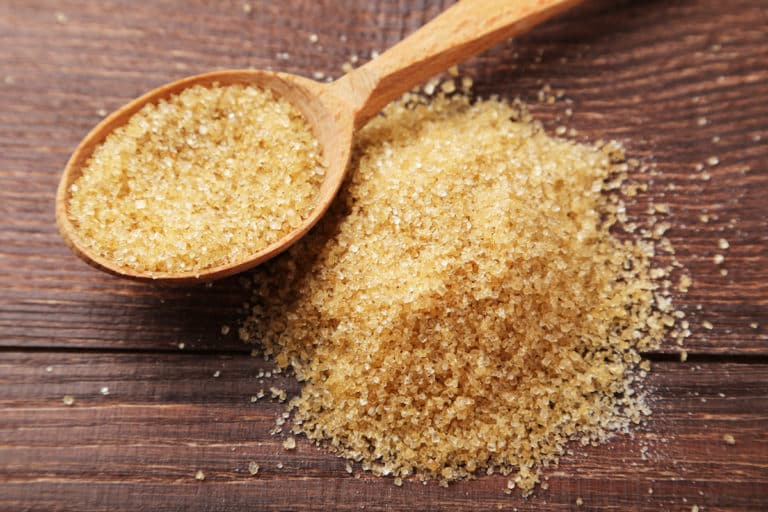
Dark Brown Sugar: Refined Sugar With A Hint Of Molasses

Dark brown sugar is simply refined white sugar to which molasses has been added. It contains 6.5 percent molasses compared to the 3.5 percent in light brown sugar.

For much of human history, the most readily available sweetener was honey. The sugar cane used to make much of the sugar we use is originally from New Guinea and would eventually make its way to Asia and to the Middle East around the 4th Century BC. Sugar cane was known for its sweetness, but its sugar content would not be exploited until later in history. By the Middle Ages, sugar would be known in Europe as a rare and expensive commodity. It was not until the 19th century that its refinement became industrialized and it was made affordable enough for the masses. Up to this point, the sugar produced was unrefined raw sugar.

Read more

Caraway seeds

Caraway Seeds: An Old World Favorite

Caraway seeds come from the caraway plant, which grows in parts of Asia as well as in Europe and North Africa. The caraway plant is a relative of the carrot. The spice was well known in ancient Egypt and ancient Rome and many food historians believe that the use of …

Read more

Pink pepper

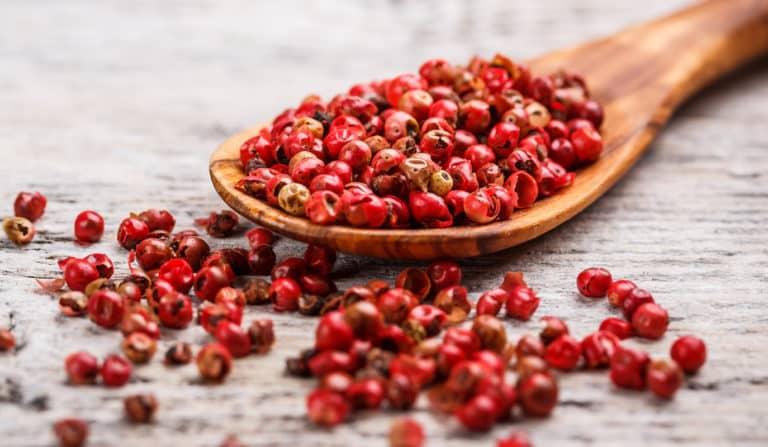
Pink Pepper: Colorful Spice

Pink pepper come from two trees called the Baies Rose Plant and the Peruvian Pepper tree. These trees grow in South America and are not related to the black pepper from Southeast Asia. The pink peppercorn shrubs were introduced into Florida in the 19th century as decorative plants and have …

Read more