Spice Substitutes · Substitutes
Peppermint Substitutes, Ranked by the Job Peppermint Is Doing
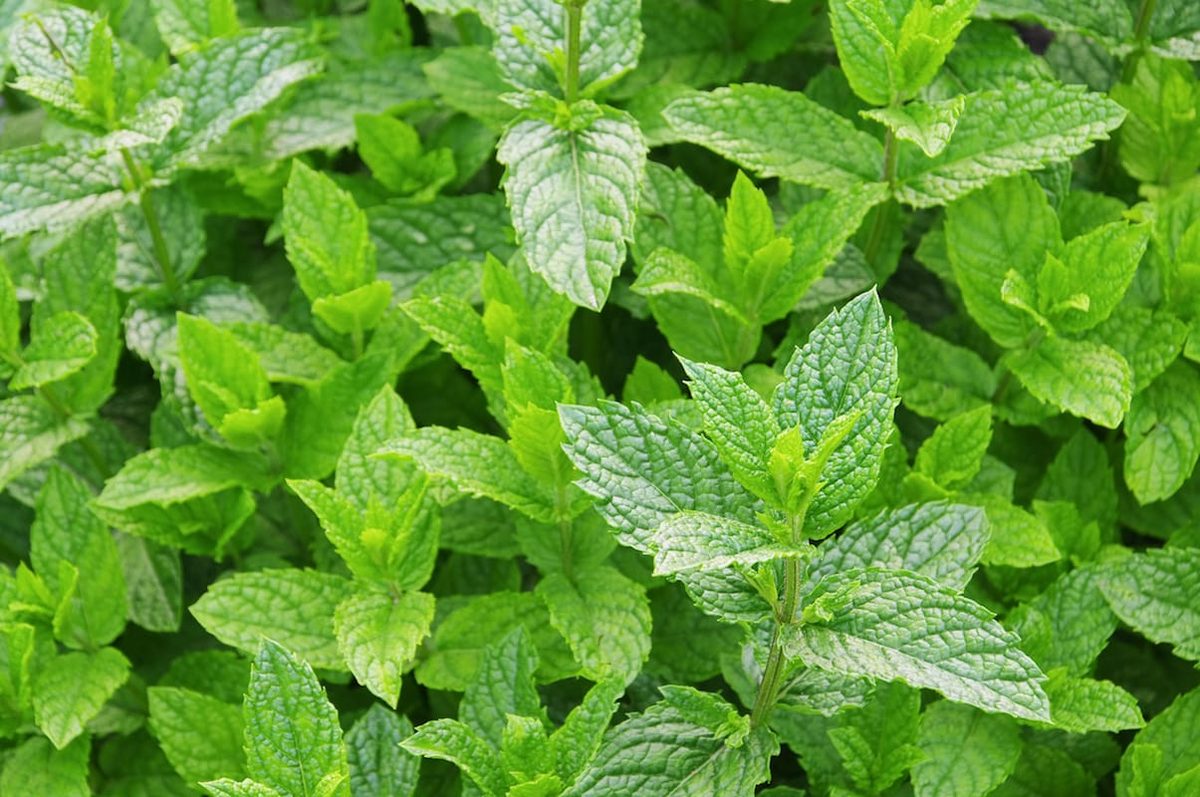
Menthol is what sets peppermint apart from the other mints. For peppermint flavor in a sweet or a drink, use peppermint extract or oil, which carry the same oil that flavors the leaves. For fresh leaves, the only real substitute is another mint, usually spearmint. McCormick describes spearmint as milder and lacking menthol,1 so expect a sweeter, softer mint.
Quick answer
| What peppermint is doing | Best substitute | Starting amount | Treatment |
|---|---|---|---|
| Flavor in frosting, chocolate, cocoa, candy or batter | Peppermint extract | A few drops, then taste | Attributed (merchant guidance) |
| Same job, using flavoring oil instead of extract | Peppermint flavoring oil | 1/3 to 1/4 of the extract amount | Attributed |
| Fresh leaves in tea, drinks or fruit salad | Spearmint | 1 part per 1 part peppermint, then more | Method |
| Flavor in a drink, leaves not needed | Mint extract (spearmint and peppermint) | 1 tsp per bunch of leaves | Attributed |
| Recipe calls for fresh, you have dried peppermint | Dried peppermint | 1 part dried per 3 parts fresh | Computed |
How the ratios on this page are labeled
Every ratio carries one of four labels.
- Computed: based on a measurable physical relationship, such as converting fresh herbs to dried.
- Attributed: a named source publishes this ratio. We quote it as theirs.
- Disputed: named sources give different answers to the same swap. You get each one, side by side.
- Method: our starting point, based on how the two compare. Taste and adjust.
The extract and oil figures below are manufacturers’ guidance for their own products.
If peppermint is the flavor in a sweet or a drink
By Katzer’s account, true peppermint goes almost entirely into confections and sweet liqueurs, and its freshness is great with chocolate.2 Here you want the peppermint oil itself, and an extract delivers it.
1. Peppermint extract
McCormick’s Pure Peppermint Extract lists alcohol, water and oil of peppermint as its ingredients,3 so it carries the same oil that flavors the leaves. You won’t get green color or leaf texture, and you will get a little alcohol.
Ratio (Attributed): McCormick suggests stirring a few drops into hot cocoa, frosting or brownie batter, and gives 1/8 teaspoon of its extract in place of 3 candy canes.3 Start with a few drops, taste, and add more a drop at a time. In a cold drink or fruit salad, stir the extract into a little simple syrup first so it spreads evenly.
2. Peppermint flavoring oil
Concentrated flavoring oils are stronger than extracts. LorAnn says its peppermint super-strength flavor is 3 to 4 times stronger than alcohol-based extracts.4
Ratio (Attributed): LorAnn says to use 1/3 to 1/4 of the extract amount a recipe calls for.4 That figure is for LorAnn’s product. Other brands may differ, so check the label.
3. Mint extract
McCormick’s Pure Mint Extract is a blend: its label lists oil of spearmint and oil of peppermint in alcohol and water.5 Thanks to the spearmint, it tastes milder than straight peppermint.
Ratio (Attributed): McCormick’s label gives 1 bunch of mint leaves as equal to 1 teaspoon of its mint extract.5 It doesn’t define a bunch, and the figure is for mint leaves in general, not peppermint specifically.
If you need fresh leaves
For mint tea, a muddled drink or a fruit salad, the leaves are part of the dish. Here another mint is the only real substitute.
1. Spearmint
Katzer calls spearmint minty but not pungent.2 Expect a sweeter, softer mint without peppermint’s cold bite.
Ratio (Method): Start with the same amount of spearmint as peppermint, taste, and add more if the drink or dish needs more lift.
2. Watermint, if you have it growing
Watermint (Mentha aquatica) isn’t a stronger version of peppermint. Studies of wild watermint found menthofuran, not menthol, as the main compound in its oil.67 It’ll taste minty, but not like peppermint.
Ratio (Method): Start with about half the peppermint amount and taste, since its flavor varies from plant to plant.
Dried peppermint
Dried peppermint works in tea or in a cooked dish, but not as a fresh garnish. America’s Test Kitchen lists mint among the herbs that are better fresh, saying such delicate herbs are much weaker in flavor when dried.8
Ratio (Computed): ATK’s tests found that 1 part dried herb to 3 parts fresh came closest to equal strength,9 and LSU AgCenter’s rule is 1 tablespoon finely cut fresh herbs to 1 teaspoon crumbled dried.10 These are general rules for herbs, not a peppermint test.
Herbs that are sometimes suggested but don’t taste like peppermint
Basil
Keep basil out of a peppermint dessert or tea. In a savory dish where fresh peppermint is one green herb among several, though, basil can fill the gap.
Ratio (Method): Start with about half the peppermint amount and add it at the end. LSU AgCenter lists basil and mint among the delicate herbs best added late.10
Huacatay
Huacatay, also called black mint, is the main flavoring of Peru’s ocopa sauce.11 Despite the name, it isn’t a mint, and it’s no substitute for peppermint. See huacatay for its own uses.
What isn’t known
- You’ll often see spearmint put at 1 percent menthol and watermint at up to 48 percent. We found no source for either figure, and the watermint studies we reviewed report menthofuran, not menthol, as the main compound.67
- We couldn’t trace the claim that Thai basil shares peppermint’s pungency to any source.
Related
- Peppermint, spearmint, watermint and spearmint vs. peppermint
- Mint, types of mint, mint substitutes and apple mint vs. peppermint
- Basil, basil vs. mint, huacatay and huacatay substitutes
- Cooking with mint, how to dry mint and too much mint
Footnotes
-
McCormick Kitchens, “About Mint: Uses, Pairings and Recipes”, McCormick, 2026. mccormick.com · Merchant ↩
-
Gernot Katzer, “Mint (Mentha)”, Gernot Katzer’s Spice Pages. gernot-katzers-spice-pages.com · Reference work ↩ ↩2
-
Pure Peppermint Extract, 1 fl oz, McCormick product page. mccormick.com · Merchant ↩ ↩2
-
LorAnn Oils All-Natural Peppermint Super Strength Flavor, WebstaurantStore listing. webstaurantstore.com · Merchant ↩ ↩2
-
Pure Mint Extract, 2 oz, McCormick product page. mccormick.com · Merchant ↩ ↩2
-
Bozin et al., “Variability of content and composition of Mentha aquatica L. essential oil in different phenophases”, Journal of Essential Oil-Bearing Plants, 2006. open.uns.ac.rs · Peer-reviewed ↩ ↩2
-
Spinelli et al., “Variability of essential oil composition of Mentha aquatica subsp. aquatica from two habitats in North Tuscany, Italy”, Journal of Essential Oil Research, 1997. arpi.unipi.it · Peer-reviewed ↩ ↩2
-
Danielle Lapierre, “When You Should Actually Use Dried Herbs (and Which Ones to Avoid)”, America’s Test Kitchen, 2022. americastestkitchen.com · Publication ↩
-
“Science: Substituting Dried Herbs for Fresh”, America’s Test Kitchen. americastestkitchen.com · Publication ↩
-
“Flavorful Herbs”, LSU AgCenter. lsuagcenter.com · Reference work ↩ ↩2
-
Flavio Solórzano, “Ocopa Sauce”, Peru Delights, 2017. perudelights.com · Publication ↩