Cooking · Profile
Peruvian Spices and Herbs: Ají Amarillo, Rocoto, Huacatay, Muña and the Pachamanca Seasonings
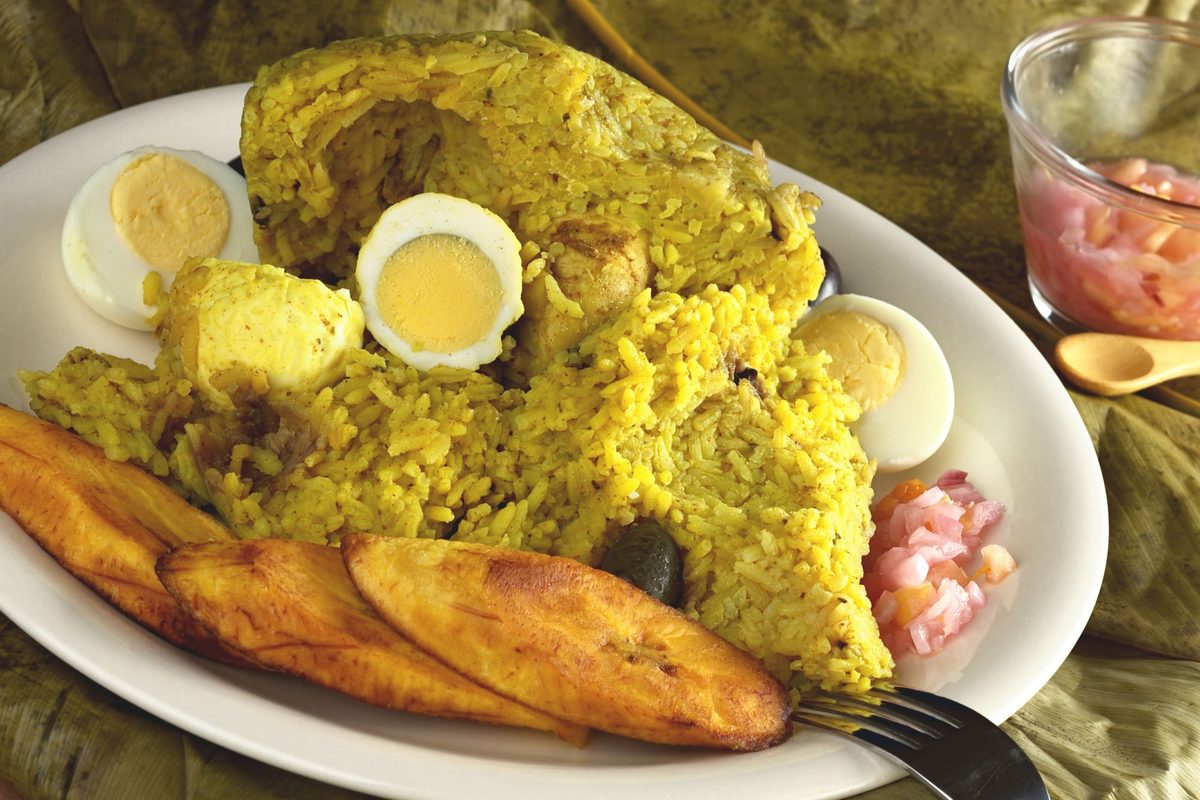
In Peru, the chiles do most of the seasoning. Ají amarillo is sold all over the country, and despite the name it’s orange, not yellow, when ripe. It works alongside rocoto, the hottest of Peru’s main ajíes; ají limo, the aromatic chile ceviche can’t do without; and the dark red dried ají panca. Highland herbs (huacatay, muña) back them up, along with the cumin, garlic, oregano, black pepper and cilantro that came with the Spanish. For a single snapshot, take pachamanca, the earth-oven feast: Peru’s state news agency gives its marinade as ají amarillo, ají panca, garlic, cumin, oregano, salt and pepper, with muña, chincho, huacatay and culantro for aroma.1
At a glance
| Seasoning | What it is | What it brings | Typical use |
|---|---|---|---|
| Ají amarillo | Fresh or dried Capsicum baccatum | Fruity heat; moderate pungency | Huancaína sauce, causa |
| Rocoto | Capsicum pubescens, native Peru to Bolivia | The hottest Peruvian ají | Rocoto relleno |
| Ají limo | Small fresh chile | Aromatic, pronounced heat | Ceviche |
| Ají panca | Peru’s main dried chile | Deep color, little heat | Marinades, pachamanca |
| Huacatay | Leaf of Tagetes minuta | Strong, herbal (black mint) | Ocopa sauce, pachamanca |
| Muña | Leaf of Minthostachys mollis | Minty | Pachamanca |
| Cumin, garlic, oregano, black pepper | Old World spices | Earthy, pungent | Marinades, pachamanca |
| Cilantro | Leaf of Coriandrum sativum | Fresh, citrusy | Pachamanca (as culantro) |
Measured values
3 figures, sourced| Measure | Value | Scope | Source |
|---|---|---|---|
| Heat (pungency), ají amarillo Conventional range | 5,000 to 15,000 Scoville heat units | Ají amarillo as a type, Dave DeWitt's Heat Scale (2008)Sources differ; not a lab measurement. The lab study (s5) calls ajíes mildly pungent next to C. chinense. | fieryfoodscentral.com |
| Heat (pungency), ají amarillo | 30,000 to 50,000 Scoville heat units | Proderna's own dried product (merchant figure)Sources differ; merchant figure for its own product. Company's own figures. | proderna.de |
| Heat (pungency), rocoto Conventional range | 50,000 to 100,000 Scoville heat units | Rocoto on Dave DeWitt's Heat Scale (2008)Not a lab measurement; the lab study (s5) grouped ajíes and rocotos as mildly pungent compared with C. chinense. | fieryfoodscentral.com |
Each figure is quoted as its source states it, with the samples or standard it applies to. Where sources differ, both are shown; nothing is averaged. All measured values
Ají amarillo
Ají amarillo is Capsicum baccatum, one of the two Andean chile species studied by Kollmannsberger and colleagues.2 Peru’s state news agency Andina calls it the ají sold all over Peru: fruits 10 to 15 cm long with fairly moderate heat, and orange, not yellow, when ripe. Dried, it becomes ají mirasol.3 See the full ají amarillo profile.
How hot? The sources don’t agree, and none of them measured the same thing:
| Source | Figure | Scope |
|---|---|---|
| Dave DeWitt, Heat Scale (2008)4 | 5,000 to 15,000 SHU | Ají amarillo as a type |
| Proderna5 | 30,000 to 50,000 SHU | Its own dried product |
| Kollmannsberger et al. (2011)2 | “Mildly pungent” next to C. chinense | Ají and rocoto samples analyzed in the lab |
The widely repeated figure of 50,000 SHU “at its hottest” matches only the top of one merchant’s range for its own product.
Flavor. Descriptions differ too. DeWitt says small yellow ajíes are prized for a lemony aroma.6 Proderna describes its powder as tropical and fruity with a raisin note.5 And the lab study found the Andean species more earthy and vegetal than habanero-type chiles.2
Dishes. PromPerú’s recipes use five boiled yellow ajíes in papa a la huancaína and season the potato layers of causa with yellow ají paste.7
Rocoto
Rocoto is Capsicum pubescens, a scrambling shrub native from Peru to Bolivia. Andina calls it the hottest of Peru’s main ajíes and the only one with black seeds. Ripe fruits are usually red but can be orange, yellow or green. Peru has two common kinds: a highland garden rocoto and a larger one from the central jungle, which is the one used for rocoto relleno, the stuffed pepper.3 DeWitt puts rocoto at 50,000 to 100,000 SHU on his heat scale,4 while the lab study grouped ajíes and rocotos as mildly pungent next to C. chinense.2
Ají limo and ají panca
Two more chiles do a lot of the daily work. Ají limo is small, very aromatic and pleasantly hot, and comes in red, yellow, green, white and purple. Andina calls it indispensable for ceviche. It calls ají panca the great dried ají of Peru: dark red to chocolate when ripe, one of the least hot but most intense in color.3 It goes into the pachamanca marinade.
Ceviche itself was inscribed on UNESCO’s list of intangible cultural heritage in 2023, described as raw fish marinated in lemon and seasoned with chili pepper and salt.8
Cumin, garlic, oregano and black pepper
These Old World seasonings are everyday ingredients in Peru, as the pachamanca marinade shows. Cumin is especially popular in Latin American cooking, and the Spanish took it to the Americas. Oregano isn’t native to the Americas either. Its native range runs from Macaronesia to China. See cumin, garlic, oregano and black pepper.
Cilantro
Cilantro, the leaf of the coriander plant, came to Peru and Mexico with the Spanish conquistadors, and Andina lists culantro among the pachamanca herbs. See cilantro, cooking with cilantro and culantro vs. cilantro.
Huacatay
Huacatay, sold in English as black mint, is Tagetes minuta, a marigold. Kew gives its native range as Brazil to southern South America and lists Peru only as an introduced range, so the common claim that it’s native to Peru doesn’t hold up.9 Chef Flavio Solórzano’s recipe for ocopa, a sauce from Arequipa served over potatoes, makes huacatay the main ingredient,10 and it’s one of the pachamanca herbs. See huacatay and huacatay substitutes.
Muña
Muña is Minthostachys mollis, a mint-family climbing shrub native from Venezuela to western South America, which Kew records as used for food and medicine. Andina names it first among the herbs that give pachamanca its aroma. We found no source on how widely people drink it as a tea. See mint and types of mint.
Paico (epazote)
Epazote, Dysphania ambrosioides, is native to the Americas. It often shows up on lists of Peruvian herbs under the name paico, but we found no source confirming the name or its use in pachamanca, and Andina’s pachamanca herb list doesn’t include it.1 See epazote for its flavor and the safety limits on its essential oil.
Basil
You’ll often read that basil reached Peru with Chinese immigrants. We found no source for it. See basil.
Related pages
- Chilean spices, Brazilian spices and Spanish spices
- Ají amarillo and huacatay
- The master list of herbs and spices
Footnotes
-
“Día de la Pachamanca”, Agencia Andina, 2023. andina.pe · Publication ↩ ↩2
-
Kollmannsberger et al., “Volatile and capsaicinoid composition of ají and rocoto”, J Sci Food Agric, 2011 (abstract). portal.fis.tum.de · Peer-reviewed ↩ ↩2 ↩3 ↩4
-
“Día de los Ajíes Peruanos”, Agencia Andina, 2019. andina.pe · Publication ↩ ↩2 ↩3
-
Dave DeWitt, “Heat Scale Updated”, Fiery Foods & Barbecue Central, 2008. fieryfoodscentral.com · Publication ↩ ↩2
-
Aji Amarillo product page, Proderna. proderna.de · Merchant ↩ ↩2
-
Dave DeWitt, “Baccatum Bacchanalia!”, Fiery Foods & Barbecue Central, 2008. fieryfoodscentral.com · Publication ↩
-
“5 Peruvian recipes you can make anytime”, Perú Info (PromPerú), 2020. peru.info · Publication ↩
-
Ceviche, UNESCO Representative List of the Intangible Cultural Heritage of Humanity, 2023. ich.unesco.org · Regulator ↩
-
Tagetes minuta, Plants of the World Online, Royal Botanic Gardens, Kew. powo.science.kew.org · Reference work ↩
-
Flavio Solórzano, “Ocopa Sauce”, Peru Delights, 2017. perudelights.com · Publication ↩
Also drawn on
- Capsicum pubescens Ruiz & Pav., Plants of the World Online, Royal Botanic Gardens, Kew. powo.science.kew.org
- Cumin, Encyclopaedia Britannica (revised by Sohini Dasgupta, updated 14 Aug 2026). britannica.com
- Spice Migrations: Cumin, by Jeff Koehler (1 Sep 2021), AramcoWorld. aramcoworld.com
- Cilantro, by Susan Mahr (posted 6 Feb 2017), Wisconsin Master Gardener Program, University of Wisconsin-Madison Extension. mastergardener.extension.wisc.edu
- Minthostachys mollis (Benth.) Griseb., Plants of the World Online, Royal Botanic Gardens, Kew. powo.science.kew.org
- Dysphania ambrosioides (L.) Mosyakin & Clemants, Plants of the World Online, Royal Botanic Gardens, Kew. powo.science.kew.org
- Origanum vulgare L., Plants of the World Online, Royal Botanic Gardens, Kew. powo.science.kew.org