Ascorbic acid

Ascorbic Acid: Vitamin C For The Kitchen

The history of ascorbic acid (or vitamin C) as a food additive began with the identification of vitamin C deficiency, also known as scurvy.

A British naval surgeon named James Lind was the first to identify the benefits that citrus could have for people suffering from vitamin C deficiency. He documented the connection between vitamin C and scurvy around 1747. At this point in history, deficiency in vitamin C was known to kill thousands of British sailors each year.

Read more

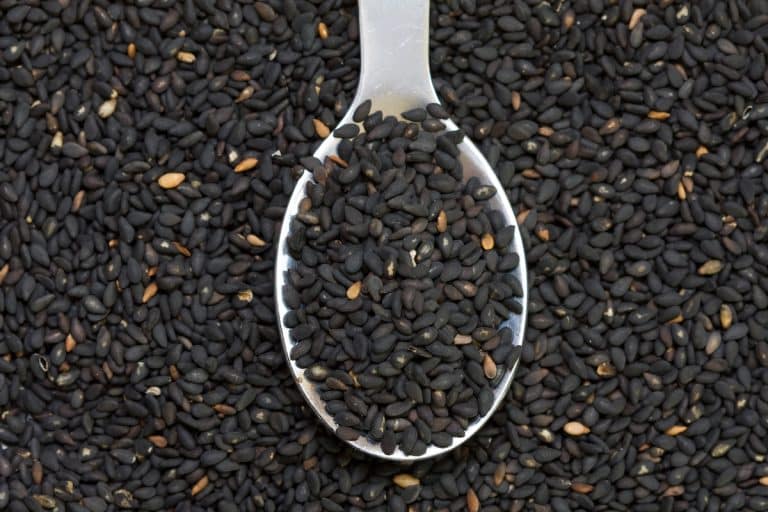
black sesame seeds

Black Sesame Seeds: A Cholesterol-Fighting Spice From The Far East

Sesame seeds are believed to be one of mankind’s oldest spices and are mentioned in the Assyrian creation myth. There is evidence that sesame seeds were being used by the ancient Chinese people around 5000 BCE. The Chinese used sesame oil as a fuel for lamps and burned it to use the soot for their ink blocks. Other evidence shows the sesame plant being grown in India around 1600 BCE. Historians believe that India is actually where sesame seed plants originated. Specifically, they are thought to come from the Indian Archipelago, also known as the Spice Isles. The Romans also used sesame seeds. In ancient Rome, sesame seeds were ground with cumin to make a spread for use on bread.

By 1500 BCE, sesame seeds were being cultivated in various parts of Africa, including Egypt and Sudan.

In America, sesame seeds arrived by way of African slaves. The slaves referred to sesame seeds as benne seeds and are the reason why sesame seeds show up in many southern dishes.

Like golden sesame seeds, black sesame seeds are unhulled. The fact that they lack a hull gives them a darker appearance than white sesame seeds. White sesame seeds have had their hulls removed thus exposing the inner white part of the seed. Aside from hull or lack thereof, there is no difference between black and white sesame seeds.

Read more

all purpose seasoning

All Purpose Seasoning: It’s All About Versatility

All purpose seasoning refers to a herb and spice blend that can be used in multiple savory applications. The common factor in different all purpose blends is their versatility.

The exact composition of all purpose seasoning varies from blend to blend and from manufacturer to manufacturer, but most will contain the same set of spices. Garlic, onion, and black pepper show up in most all purpose seasonings.

The all purpose seasoning label is typically applied to powdered spice blends like adobo seasoning, as well as to liquids like Bragg’s Liquid Aminos. Both types of seasoning are equally versatile but differ significantly in their flavor, appearance and what they bring to a dish. Adobo seasoning is a Hispanic herb and spice blend consisting of garlic powder, black pepper, and other spices that came out of the Spanish tradition of marination that they brought with them on their voyages to the New World. Bragg’s Liquid Aminos All Purpose Seasoning is a liquid protein concentrate developed by life extension specialist Paul Bragg. It is made from soybeans and contains a range of amino acids.

Read more

Worcestershire powder

Worcestershire Powder: The Indian/British/Texan Condiment

The Worcestershire name refers to the English town in which Worcestershire sauce was first made and sold commercially. The common (but disputed) story behind the origin of this popular condiment is that it originated in India, where a governor of Bengal returned home to England and brought with him a highly spiced Indian sauce. He commissioned two chemists named John Wheeley Lea and William Henry Perrins to replicate it.

The legend states that the two men were unhappy with the early results due to the strong smell. They left the first batch of their experiment in a cellar and a few years later, they happened upon it again. They found that the years of aging had tamed the smell and mellowed the flavors to make it a delicious sauce.

Read more

black lava salt

Black Lava Salt: Not Necessarily From Volcanoes

Salt is called pa’akai in the Hawaiian language and making it is one of the islands’ oldest traditions. The word pa’akai can actually be broken down into two separate words: pa’a and kai. Pa’a means solid or firm while kai means saltwater. This means that pa’akai can be translated as …

Read more