Red Clover

Red Clover: An Ancient Legume

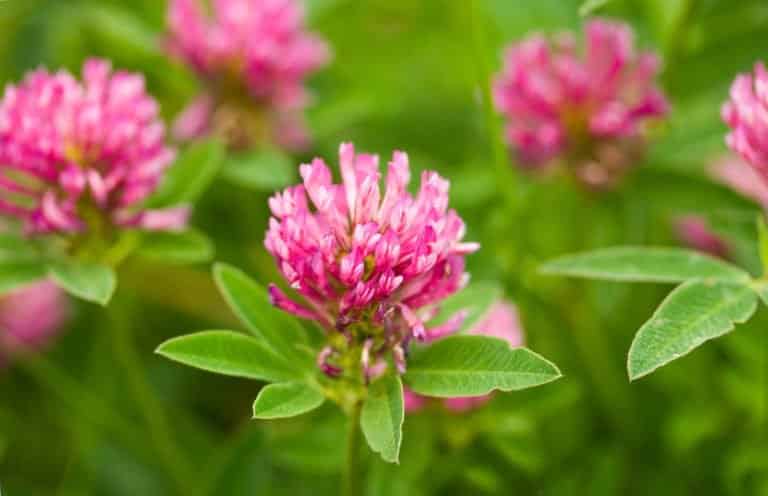
Red clover is a legume that has been cultivated as animal fodder since ancient times and is considered one of the world’s oldest crops. Beans and peas belong to the same family as red clover. Red clover is native to Europe and Asia but has been naturalized all over the …

Read more

Alfalfa

Alfalfa: Food for Humans…And Horses

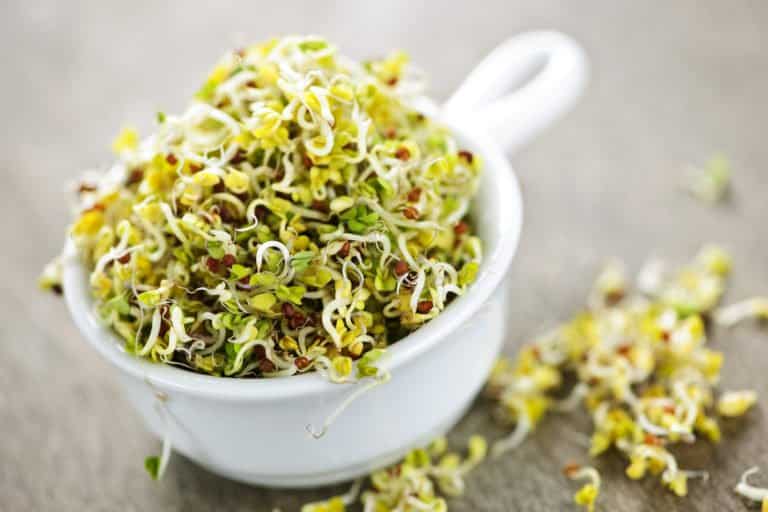
The cultivation of alfalfa most likely began before recorded history, so it is difficult to determine who first farmed it. However, historians are in agreement that the plant is indigenous to Mesopotamia in Western Asia. The region that was once Mesopotamia is now occupied by parts of various countries including …

Read more

Alkanet Root

Alkanet Root: A Potent Pigment

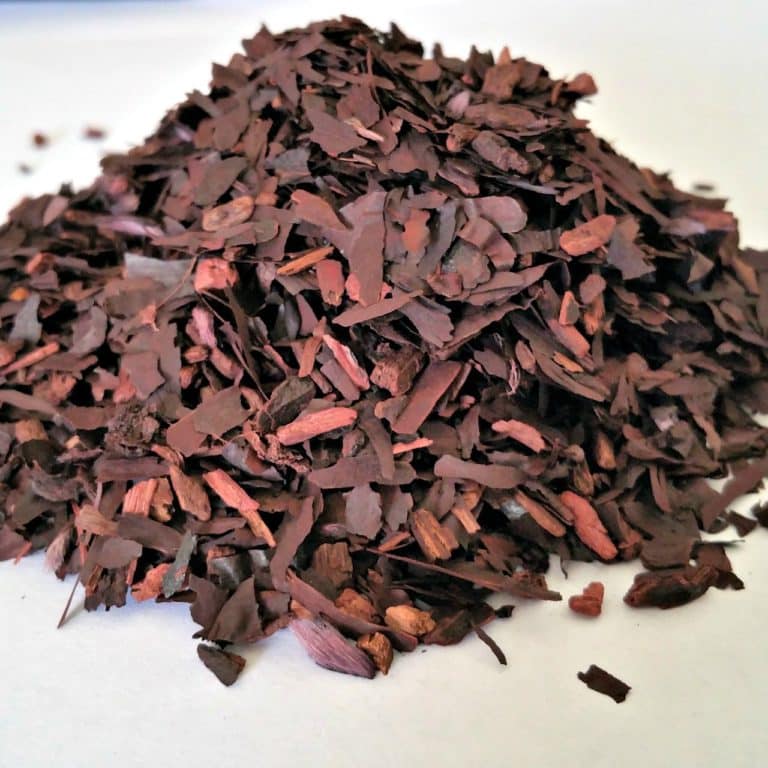
Alkanet root is from an herb that belongs to the borage family and which is best known as the source of a red dye. The alkanet plant has a bright blue flower, but the root of the plant has a black exterior and a dark red interior. The root is …

Read more

Barberry

Barberry: A Versatile Source Of Tartness

Historians believe that barberry originated in three places: Europe, parts of North Africa and in Asia. You can also find it in North America where it is sometimes called Oregon grape. There is documentation of barberry being used in Chinese medicine going back 3,000 years. According to Italian legend, barberry was among …

Read more

Lotus root

Lotus Root: A Crunchy Aquatic Rhizome

Lotus root comes from the lotus plant, which grows in ponds and marshes and can come from a number of closely related species including Nelumbium nucifera and Nelumbium speciosum. Lotus plants belong to the water lily family and are usually harvested in the late autumn and early winter. Lotus root …

Read more

Salsify: A Forgotten Root Vegetable

Often classified as a forgotten vegetable, wild salsify belongs to the dandelion family and comes from the Mediterranean region. Both the Ancient Greeks and the Romans gathered wild salsify. This pale root vegetable is one of two vegetables called salsify. Another similar but distantly related vegetable — scorzonera — is …

Read more

Gochugaru vs Gochujang

Gochugaru Vs. Gochujang: SPICEography Showdown

Gochugaru and gochujang are two ingredients you should get if you plan to make authentic-tasting Korean food. They are staples in Korean kitchens and lend their flavors to some of the most popular dishes. Both are great for adding heat but there is much more to each of them. If …

Read more

Anardana

Anardana: The Pomegranate Spice

Anardana refers to the dried and ground seeds of the pomegranate. The name anardana is a Persian portmanteau. Anar translates to pomegranate and dana means seed. Anardana goes by different names depending on where in India you find it. Indians who speak Hindi, Punjabi, and Urdu all refer to dried and ground pomegranate seeds and anardana. Dadima is its Sanskrit name. Bengalis know it as Dalim.

The pomegranate tree comes from Iran and India. It is native to the Himalayas as well. In fact, it is the wild Himalayan pomegranate — called daru — that is used to make traditional anardana. Pomegranates were a staple food in Ancient Egypt and there is Egyptian art that reflects its status. From there, the cultivation of pomegranates spread throughout Central Asia and the Mediterranean region for thousands of years. The remains of pomegranates have been discovered in Bronze Age ruins in Jericho and in Cyprus.

Read more