
Honey powder goes by many names including granulated honey and dried honey. They all refer to honey that has been dehydrated to the point that it becomes a solid. High fructose honey tends to crystallize naturally and so it is likely that the use of honey powder has been around as long as humans have been consuming honey.
Spices
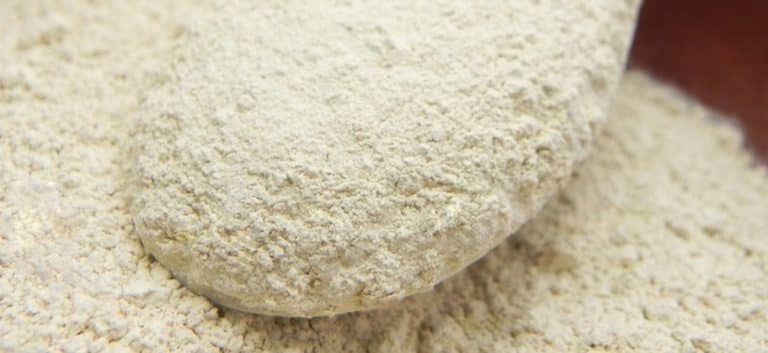
Horseradish Powder: A Central European Spice
Horseradish powder is made with dried horseradish root that has been ground into powder.
Horseradish is believed to come from Central Europe. Its name in English is thought to refer to the large size of the root and its coarseness. Horseradish was used by the ancient Egyptians. Records indicate that they were using it as early as 1500 BC. The Greek Ancient Greeks knew about horseradish as well and used it for its medicinal benefits.
During the Renaissance, the popularity of horseradish spread north from Central Europe to the Scandinavian countries and west to England. In England, the spice was consumed only by the working classes and rural folk at first. It would eventually become popular among all classes of the English. In addition to being used as the standard spice for beef dishes, cordials made with it would become popular for their energizing benefits.
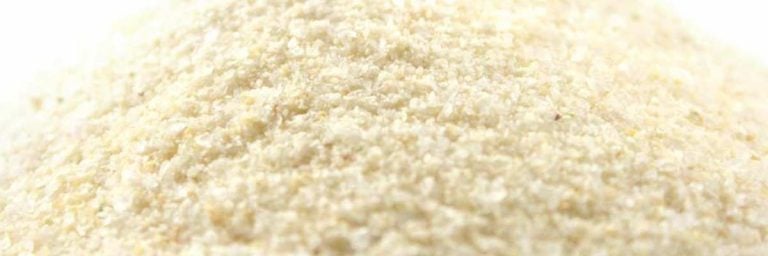
Onion Salt: A Simple Savory Seasoning Blend
Onions have been a part of the human diet for over four millennia. For much of that time, they have been preserved by drying. Onions are believed to have originated in Asia, but the earliest documentation of it came from Egypt where it shows up in the carvings on pyramid walls. Onions would make their way to Germany and the British Isles via the Roman army and would be a staple of European cuisine all through the middle ages. Onions were among the first plants brought to the Americas by European colonists.
Onion salt is a relatively new invention. It showed up in the early part of the 20th century. The Coffee and Tea Industries and the Flavor Field: Volume 37 published in 1914 refers to it as a “new seasoning.” Onion salt was first marketed as a way to provide all the seasoning power of onion without any negative effects on the consumer’s breath.
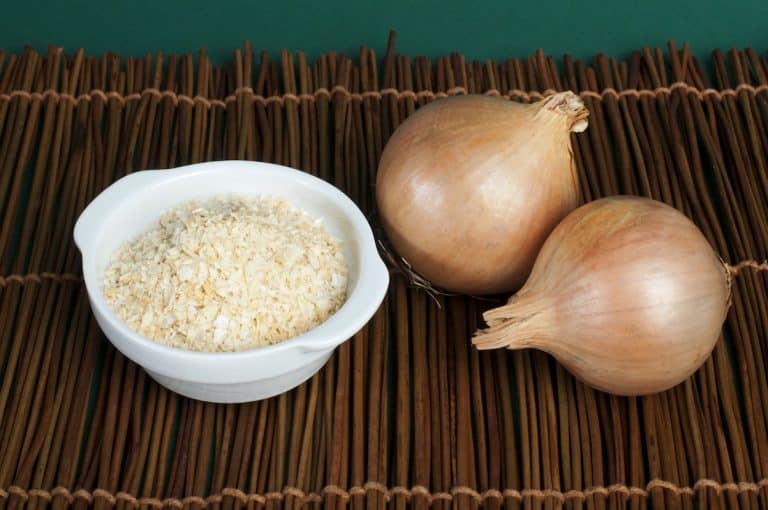
Onion Powder: Onion Flavor Without The Bulk
There is evidence that onions have been in use as far back as 5,000 BC. This vegetable has been found in the tombs of Egyptian pharaohs and because of its many layers was thought to be representative of eternal life. Most archaeologists believe that it originated in Central Asia. It …
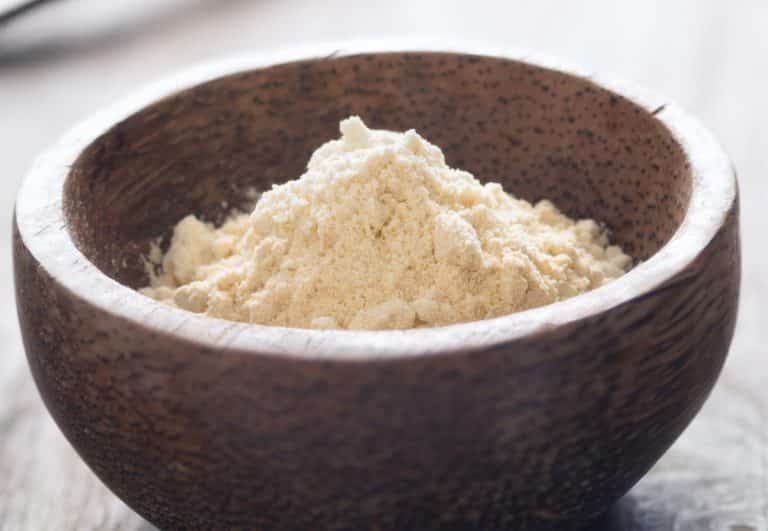
Arrowroot: A Caribbean Starch
Arrowroot is a name given to the Maranta arundinacea plant, but the term has been expanded to include cassava and other plants in recent years.
There is evidence of arrowroot cultivation going back 7,000 years. According to folklore, the name is said to have originated from Maranta arundinacea’s use as a treatment for the inflammation of wounds caused by poisoned arrows. It is also said to come from the Arawak Indians’ name for the plant, which was aru aru. Arrowroot was used by slicing it and applying the slices to the wounds.
It is believed that the arrowroot was brought to the Caribbean islands by Native Americans from South America at some point prior to the arrival of Christopher Columbus.

Tamarind: A Tart Tropical Legume
The tamarind name comes from the Arabic term tamar hindi, which means Indian date. The leguminous tamarind tree is believed to originate in Africa but has been heavily cultivated in India since antiquity. It is likely that it was brought to the subcontinent by Arabian traders. In Africa, it grows wild in Nigeria as well as in Cameroon and other countries.
Historical documents show that tamarind was cultivated in Egypt as early as 400 BC and was known to the Greeks in this time period as well.
Tamarind was introduced to Mexico and to South America in the 16th century; the documentation suggests that it was brought to Acapulco from Asia by the Spanish. Today, you can find tamarind throughout South America and the Caribbean. Tamarind trees can also be found in Hawaii, where one of the first trees was first planted in 1797. It is a staple ingredient in Mexican cuisine and is used to a lesser extent in the West Indies. Mexico has over 10,000 acres dedicated to tamarind cultivation.

Mango Powder: The Fruity Spice
Mango is indigenous to India, Burma, and Malaysia and is documented as one of the oldest cultivated fruits in the world. There is evidence of its cultivation going back 4,000 years. As a result of European colonization starting around the 16th century, mango has spread to many different regions. As a result of the colonist’s efforts, you can find mango growing throughout Africa and the Americas.
Dried and powdered mango is used as a spice and is also called amchur, which is sometimes spelled amchoor. Am means mango and chur or choor means powder. Mango powder is made by first sun-drying unripe mangoes and then grinding them into powder. Mango powder is ancient with a history that stretches back into antiquity, much like the other uses of the mango fruit.
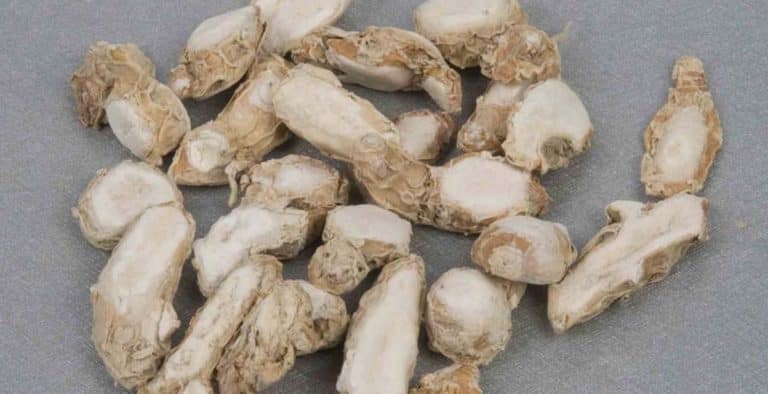
Zedoary: A Mysterious Indian Rhizome
The plant from which zedoary is obtained is native to India, Pakistan and Indonesia but can now be found in many places. For example, it can now be found growing in Florida as well as in parts of Latin America. Zedoary is also known as kachur and as white turmeric. …