Spice Substitutes · Substitutes
Madras Curry Powder Substitutes: Rebuilding the Curry Base and the Heat
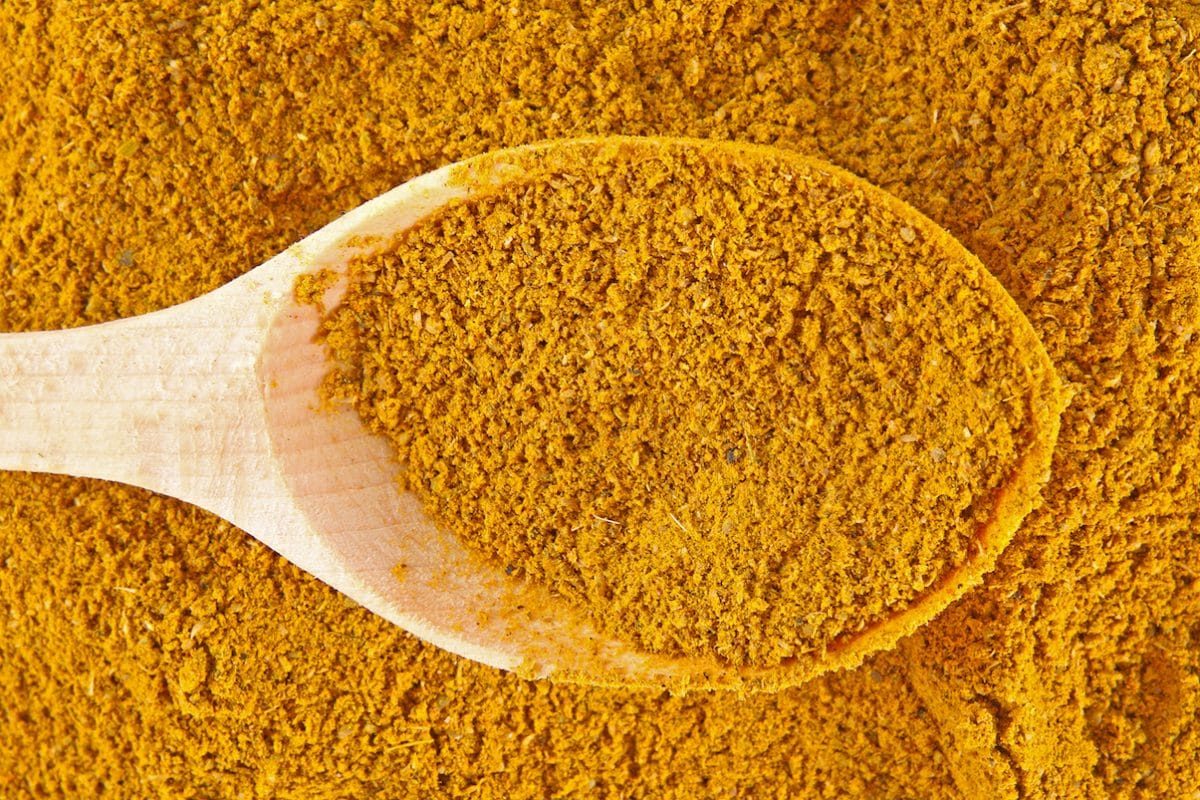
Out of Madras curry powder? Use regular curry powder with a little cayenne. Food writer and cookbook author Dan Toombs puts it simply: a Madras curry powder is a spice blend like any curry powder that also has dried chiles in it for a spicy kick.1 So a substitute has two jobs: the curry base (turmeric, coriander, cumin, fenugreek and warm spices) and the heat. Regular curry powder handles the first, a little chile handles the second, and there’s no fixed recipe to match anyway.
Quick answer
| What Madras curry powder is doing | Best substitute | Starting amount, per 1 tablespoon Madras curry powder | Treatment |
|---|---|---|---|
| Curry base plus heat, in most recipes | Regular curry powder plus cayenne | 1 tablespoon curry powder plus 1/8 teaspoon cayenne, then taste | Method |
| Same job, with whole spices on hand | Homemade Madras curry powder | 1 tablespoon of the blend | Method |
| Heat and color for grilled meat or a marinade | Tandoori masala | 2 teaspoons, then taste and adjust salt | Method |
| No curry powder at all | Garam masala plus turmeric and chile | 2 teaspoons garam masala, 1 teaspoon turmeric, a pinch of cayenne | Method |
| South Indian dal or vegetables | Sambar powder | 2 teaspoons, then taste and adjust salt | Method |
How the ratios on this page are labeled
Every ratio carries one of four labels.
- Computed: based on a measurable physical relationship.
- Attributed: a named source publishes this ratio. We quote it as theirs.
- Disputed: named sources give different answers to the same swap. You get each one, side by side.
- Method: our starting point, based on how the two compare. Taste and adjust.
Go especially easy on the heat. How much a Madras blend carries depends on how much chile the maker uses, and which one. We didn’t find a published heat measurement for any Madras curry powder. World Spice Merchants rates its own blend 2 on a scale of 5.2
If you need the curry base plus heat
1. Regular curry powder plus cayenne or chile flakes
This is the most direct swap. Curry powder already has the base: the USDA’s list for it includes turmeric, coriander, fenugreek, cumin and warm spices.3 What plain curry powder may be missing is heat, since the USDA’s minimum list includes no chile. Toombs notes that his Madras blend made without the chiles is still a good curry powder,1 which is the same idea run backward.
Where it falls short: curry powders vary by brand, and some already contain chile. Check the label before you add more.
Ratio (Method): Use the same amount of curry powder as the Madras powder called for, and add about 1/8 teaspoon of cayenne per tablespoon. Toombs says to add chili powder gradually, to taste, until you get the heat you want.1 Red pepper flakes work too, though you’ll see the flecks.
Bloom the spices in the cooking fat before you add liquid. America’s Test Kitchen says ground spices added straight to liquid can taste bland and musty, and that blooming takes from 30 seconds to several minutes.4
2. Make your own
Got a decent spice shelf? You can mix a Madras-style blend from ground spices. A basic homemade Madras curry powder, makes about 1/3 cup:
| Ingredient | Amount |
|---|---|
| Ground coriander | 2 tablespoons |
| Ground cumin | 1 tablespoon |
| Ground turmeric | 1 tablespoon |
| Ground fenugreek | 1 teaspoon |
| Ground black pepper | 1 teaspoon |
| Ground mustard | 1 teaspoon |
| Cayenne | 1 teaspoon, or more for a hotter blend |
| Ground ginger | 1/2 teaspoon |
| Ground cinnamon | 1/2 teaspoon |
| Ground cardamom | 1/4 teaspoon |
It covers the USDA’s curry powder list3 and adds the mustard and chile that World Spice Merchants puts in its Madras blend.2 The cayenne is your dial. It’s the only ingredient that sets the heat, so cut it back for a milder powder. Fuller published recipes start from whole spices. Toombs’s hot Madras curry powder, for example, toasts and grinds coriander, cumin, black pepper, fenugreek, fennel, mustard seed, dried Kashmiri chiles, cardamom, curry leaves, Indian bay leaves, star anise and cinnamon or cassia. For a gentler version he suggests a milder chili powder and fewer dried chiles.1
Ratio (Method): Use the blend in the same amount as the Madras powder in your recipe, then taste.
If you need heat and color for grilled meat or a marinade
Tandoori masala
Anjula Devi mixes tandoori masala with yogurt for a marinade. It shares a lot of the curry base. Her recipe starts with coriander and cumin seeds,5 and cookbook author Anupy Singla’s homemade version adds Kashmiri chiles, fenugreek, cinnamon and other warm spices.6
Where it falls short: it can bring salt and a red color. Woodland Foods lists salt first on its tandoori blend, with lemon peel, beet powder and paprika also on the label.7 Singla found Red 40 dye on one store blend’s label.6 Woodland’s label doesn’t name turmeric, though Singla’s recipe includes it,67 so your dish may come out redder and less yellow.
Ratio (Method): Start with about two-thirds as much tandoori masala as Madras powder, taste, and adjust the salt before adding more.
If you have no curry powder at all
Garam masala, plus turmeric and chile
Garam masala is a spice blend used across the Indian subcontinent. Its spices overlap with the warm side of curry powder: Bong Eats gives its most basic Bengali form as cardamom, cinnamon and cloves.8 The Spice House notes that garam masala is warming but not hot like chili peppers,9 and that basic Bengali version has no turmeric, so you’ll need to add both color and heat.
Where it falls short: garam masala leans on the sweet, warm spices, while a Madras blend leans on coriander, cumin and fenugreek. How far apart they are depends on the version you have.
Ratio (Method): For each tablespoon of Madras powder, start with about 2 teaspoons garam masala, 1 teaspoon ground turmeric and a pinch of cayenne. Taste and adjust.
If you’re cooking South Indian dal or vegetables
Sambar powder
Sambar powder is a South Indian blend for making sambar.10 All three recipes compared on our sambar powder page, from Saveur, Tarla Dalal and Dassana Amit, contain coriander seed, dried red chiles, fenugreek, curry leaves, asafoetida and chana dal, and two of them add turmeric.111210 That gives it the coriander, fenugreek and chile of a Madras blend.
Where it falls short: it carries dals and asafoetida, which neither the World Spice blend nor Toombs’s recipe has,21 and some recipes are salted. Saveur’s version includes 3 tablespoons of kosher salt.11
Ratio (Method): Start with about two-thirds as much sambar powder as Madras powder, check the label for salt, taste, and add more.
What isn’t known
- We didn’t find a published heat measurement for any Madras curry powder, so the cayenne amount above is a low-end guess, not a match.
- The product pages we checked don’t say how much chile a commercial Madras powder contains. Ingredient lists give no proportions.
- You’ll often read that Madras curry powder started Britain’s love of Indian food. No source we read backs that up.
Related
- Madras curry powder and Madras curry powder vs. curry powder
- Curry powder, is curry powder spicy? and cooking with curry powder
- Cayenne pepper and red pepper flakes
- Tandoori masala, garam masala and sambar powder
- Vindaloo vs. Madras curry powder and too much curry powder
Footnotes
-
Dan Toombs, “Homemade hot Madras curry powder”, Great Curry Recipes (The Curry Guy), 2015, updated 2023. greatcurryrecipes.net · Publication ↩ ↩2 ↩3 ↩4 ↩5
-
“Madras South Indian Curry”, World Spice Merchants (product page). worldspice.com · Merchant ↩ ↩2 ↩3
-
Commercial Item Description A-A-20001C, Spices and Spice Blends, USDA Agricultural Marketing Service, 2023. ams.usda.gov · Regulator ↩ ↩2
-
“How to Bloom Spices”, America’s Test Kitchen, 2023. americastestkitchen.com · Publication ↩
-
Anjula Devi, “Tandoori Masala”, in 15-Minute Indian, via ckbk. app.ckbk.com · Publication ↩
-
Anupy Singla, “Why Your Tandoori Masala Doesn’t Need to be Bright Red”, Indian As Apple Pie, 2013. indianasapplepie.com · Merchant ↩ ↩2 ↩3
-
“Tandoori Spice Blend”, Woodland Foods (product page). shop.woodlandfoods.com · Merchant ↩ ↩2
-
“Bengali Garam Masala”, Bong Eats, 2016. bongeats.com · Publication ↩
-
“Garam Masala Substitute”, The Spice House, 2018. thespicehouse.com · Merchant ↩
-
Dassana Amit, “Sambar Powder Recipe”, Dassana’s Veg Recipes, 2026. vegrecipesofindia.com · Publication ↩ ↩2
-
“Sambar Masala”, Saveur, 2014. saveur.com · Publication ↩ ↩2
-
Tarla Dalal, “Sambhar Masala Powder”, TarlaDalal.com. tarladalal.com · Publication ↩
Also drawn on
- How to make garam masala (GBC Kitchen, updated 14 Feb 2025), Great British Chefs. greatbritishchefs.com