Saigon Cinnamon

Saigon Cinnamon: The World’s Most Flavorful Cinnamon

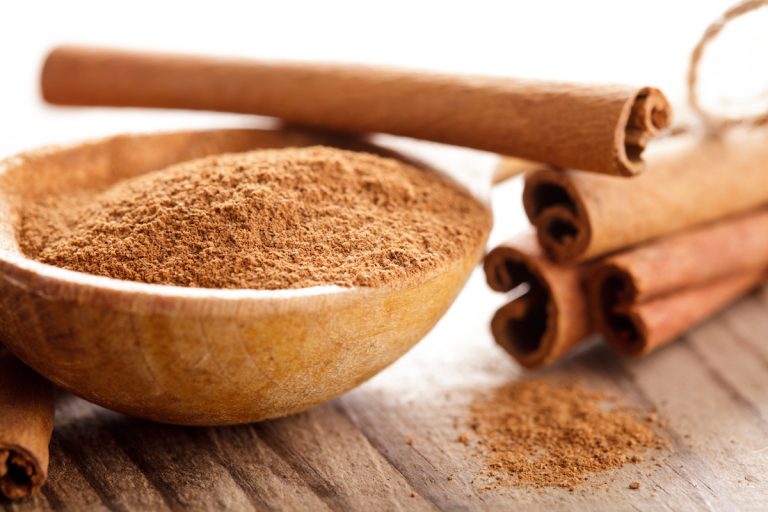
Saigon cinnamon is a variety of cassia, which means that it is a close relative of Ceylon cinnamon but with a few very different qualities. While the name would seem to indicate that Saigon cinnamon is from the Saigon region in the southern part of Vietnam, it is actually native to the northern and central part of the country. The species also grows in China and Japan.

The Latin name for Saigon cinnamon is Cinnamomum loureiroi though it is sometimes written incorrectly as loureirii. It is named for Joao de Loureiro, a Portuguese botanist who was at one time a missionary in Goa and who has a large number of species named in his honor. He also described Vietnamese flora in detail.
Read more

cassia cinnamon

Cassia Cinnamon: The Spicier Cinnamon

The cassia cinnamon tree is an evergreen and comes from Southeastern China and still grows wild there today. While you can still find wild trees in Guangdong and Guangxi, they make up the minority of China’s cassia. Most of these trees are cultivated. Cassia cinnamon trees are also indigenous to other parts of Asia like Myanmar and Assam. The Saigon variety of cassia cinnamon has been grown in Vietnam for a long time.

Cassia cinnamon is one of several trees from the Cinnamomum genus and has been referred to as bastard cinnamon or false cinnamon; Ceylon cinnamon is called true cinnamon.

The spice consists of bark from the cassia cinnamon tree. A square of this bark is cut from a tree once it reaches the right age and curls up to form a tube. The next step in processing it involves drying and aging this tube.

Read more

Ceylon cinnamon

Ceylon Cinnamon: The Only True Cinnamon

Ceylon cinnamon is also known as true cinnamon. This distinguishes it from the other forms of cinnamon that were at one time regarded as inferior. It is cinnamon from what is now Sri Lanka was considered superior as far back as Ancient Roman times.

What we now call Ceylon cinnamon was used all throughout the ancient world. The Egyptians used it in their embalming process, for example.

According to Pliny, cinnamon had a higher value by weight in comparison to silver. He wrote of its importance in the first century.

Ceylon cinnamon was brought to Europe by Arab traders where it became a luxury ingredient for the wealthy. The use of this spice became a status symbol. The traders were able to keep the source of true cinnamon a secret all the way up to the 16th century, thus preserving their so monopoly on it.

Read more

red pepper flakes

Red Pepper Flakes: The Macedonian Take On Chili Peppers

You will often see red pepper flakes referred to as crushed red pepper; both terms are used for the same product, which consists of red chilies ground to flakes. Most red pepper flakes include a significant amount of the seeds.

The chili peppers used to make red pepper flakes were adopted into European cuisine after Columbus returned to Europe with them from the Americas.

Historians credit the Macedonian town of Bukovo with the invention of red pepper flakes. Because of this, names for the spice in several European languages are derivatives of Bukovo. Macedonians refer to any chili pepper mix as bukovec. Bukovo is situated in a region that provides the ideal environment for hot pepper production.

Read more

sansho pepper

Sansho Pepper: The Japanese Version Of Szechuan Pepper

Sansho pepper is native to Japan and the Japanese have been using it since the Jomon period. Clay bowls from that era have been discovered in recent times still containing sansho. The Jomon period is said to go as far back as 1000 BCE. Some sources claim that the spice has been used for even longer, stating that the spice was being used in 12,500 BCE but this has been refuted.

Sansho pepper is harvested from a plant called the prickly ash that is closely related to the plant from which Szechuan pepper comes. While many online resources claim that these two spices are one and the same, they are not. In both cases, only the outer husks of the seeds are used. The husks are ground and the inner seeds discarded. Like Szechuan pepper, sansho pepper is not related to black pepper at all despite having the word pepper in the name. Both are related to citrus plants.

Read more

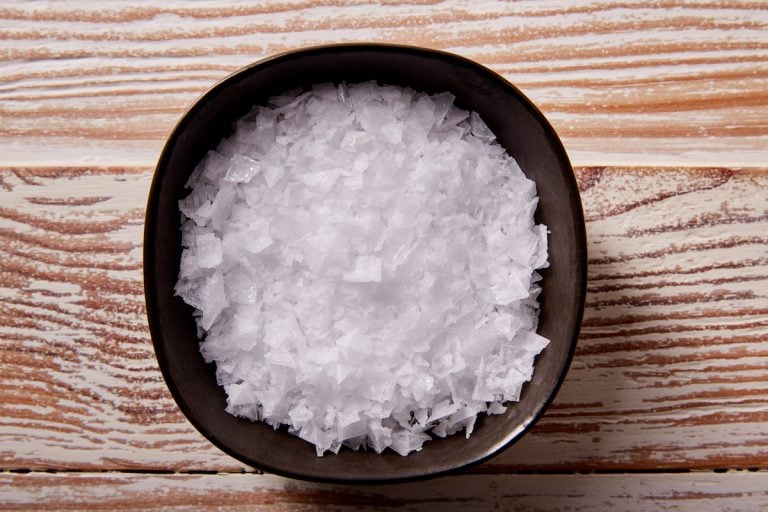
Maldon sea salt

Maldon Sea Salt: Britain’s Gourmet Salt

The first thing to know about Maldon sea salt is that Maldon is the name of a place. It is the town where the salt is harvested and it lies on the coast of the county Essex in the East of England. It is situated on the banks of the River Blackwater. Blackwater in this context does not refer to the river’s color but is a corruption of brackwater, which refers to the brackishness or salinity of the water. The Essex coast has long been known for its water’s saltiness. This is due to its marshes and relatively low rainfall. The lower the rainfall, the more concentrated the salt in the water becomes.

The Ancient Romans harvested salt on the Essex coast by boiling the water in lead pots but they were not the first to engage in salt production in that locale; Maldon’s salt has been sought after since before recorded history. The Essex salt industry was documented in the Domesday Book published in 1086, which made note of the area’s pits and pans.

Read more

sand ginger

Sand Ginger: Galangal’s Medicinal Cousin

Sand ginger is a variety of galangal sometimes called lesser galangal. This rhizome’s Latin name is Kaempferia galanga and it is a member of the ginger family just like other galangal varieties. It is named for Engelbert Kaempfer, the German botanist. Sand ginger is an ancient spice with the records of it being used as both a medicine and culinary ingredient going back thousands of years. It is native to Southeast Asia and is thought to have originated in Burma.

Like many spices that have a long history, sand ginger has many names. Sanskrit names include sugandhavacha and in China, it is sold as sha jiang. There are historical records of it being used in 17th century Kerala as a medicine. Kerala is one of the places where it is cultivated in India, along with Karnataka and Tamil Nadu.

Read more

Cassia buds

Cassia Buds: Cassia With A Floral Twist

Cassia buds are the unopened flowers of the cassia tree; they are unripe fruits that have been harvested and dried or preserved in a sweet brine. They have a similar nail-like appearance to that of cloves. The cassia tree that bears these fruits is a small evergreen that grows in China and which is native to northern Burma and northern India. It is also the source of the cassia bark that is sold as cinnamon sticks or ground cinnamon in the United States.

The name cassia has a Greek origin and the Greek name is likely to have come from qetsiiah, the ancient Hebrew name for the spice. Other theories as to the origin of the spice’s name suggest that it stems from the Khasi people, from Northern India. There are quite a few different cassia varieties; examples include Chinese, Indian, and Indonesian cassia. Cassia buds come from the Chinese cassia tree.

Read more