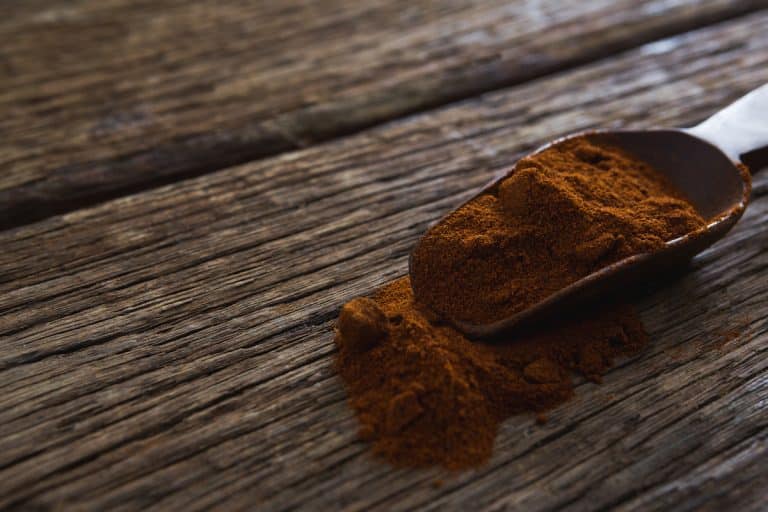
rasam powder

Rasam Powder: The Spice Of The Sourashtra People

Rasam powder is another Indian spice blend and like many traditional spice blends, its history is not well documented. What is known about rasam powder is that it is used to flavor a dish called rasam, which is a South Indian soup made with lentils. It is also known that rasam’s roots lie in Tamil Nadu and Karnataka and has made its way into surrounding states. It is viewed as a comfort food for many in this region and is also a popular dish for weddings.

Rasam is a dish of the Sourashtra people, a community that migrated from Gujarat and elsewhere to Tamil Nadu.

Rasam powder can be found in many Indian markets as a blend. Despite the convenience of a pre-blended powder, many Indian cooks prefer to put their own rasam powder blend together.
Read more

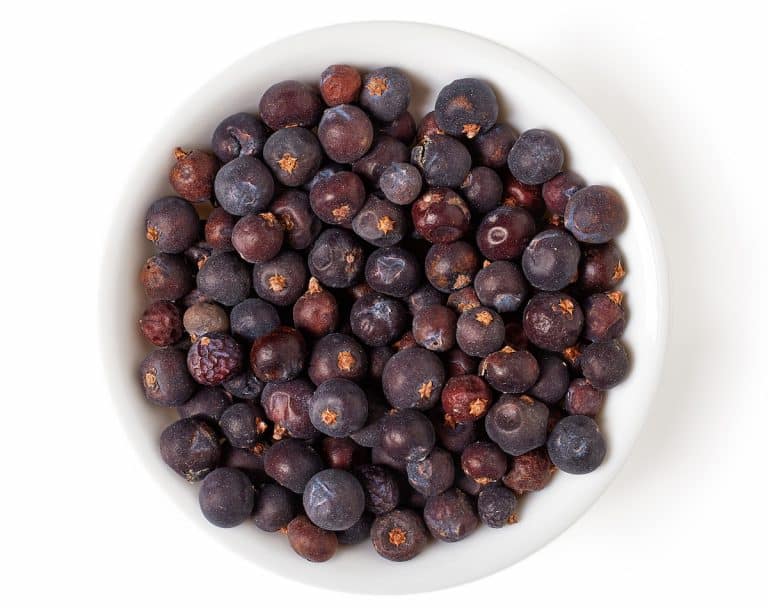
Cedar berries

Cedar Berries: A Source Of Pine Flavor

Cedar berries are harvested from a specific variety of juniper tree rather than from cedar trees as the name seems to indicate. This variety of juniper has the Latin name Juniperus virginiana. It is also known as the eastern red cedar. There are over 40 different juniper species, with many being inedible. Cedar berries are not berries in the sense of being fruits, they are actually tiny seed cones.

Juniper berries were in use as far back as the era of Tutankhamen. Archaeologists found juniper berries in his tomb. The ancient Greeks also used juniper berries—they were believed to increase athletes’ stamina. Their use of them was largely for their medicinal value; they were used as a medicine long before being used as food. The Romans used them as a cheap substitute for expensive black pepper imported from India.

Read more

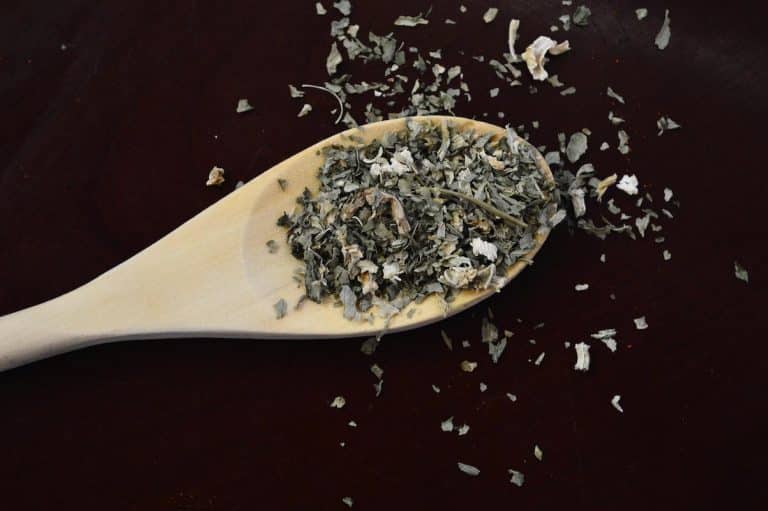
Celery Flakes

Celery Flakes: Celery With A Longer Shelf Life

The celery plant is indigenous to the Mediterranean region and had religious significance to some of the cultures there. Celery was also used by the ancient Egyptians as evidence by celery garlands found in the Pharaoh Tutankhamen’s tomb. Celery was later used by both the Greeks and Romans; however, the Greeks used it as a medicine. It was the Romans who first recognized its immense value as a culinary herb. As a result of the Roman influence, celery would become a favorite of the French. Much later on, it would wind up on British tables as well.

Early forms of celery were particularly bitter, which is why it would not become widely consumed in Britain until the late 17th century. It was at this point that selection finally produced a form of celery with less bitterness and more sugars.

From Britain, celery would come to the Americas. It would be cultivated by colonists and would continue to be selected for texture and flavor until the first celery that could be eaten raw showed up in the 1800s.

Read more

Beet Sugar

Beet Sugar: The European Cane Sugar Alternative

Beets have been cultivated for millennia and are among the oldest vegetables grown in the Middle East and in Europe. Their ability to provide sugar was recognized as early as the 16th century. Over the next few centuries, beet varieties that contained consistently high levels of sugar were developed. British blockades of cane sugar during the Napoleonic Wars would spur on production to a significant extent. Plants for processing beets were developed in 19th century Europe and would gradually spread to the United States. The first American sugar beet farm was located in California and started production in 1879. The big benefit for sugar producers of that era and today was the sugar beet’s ability to grow in a temperate climate, whereas sugarcane cultivation was restricted to the tropics.

Read more

lime zest

Lime Zest: A Strong Citrus Note

The origin of the lime lies in southeast Asia. The trees are best suited for subtropical environments, which makes the hot and humid climate of southern Asia ideal. Like many spices that have been in use for centuries, the details of lime zest’s origin as a culinary ingredient are not well documented; however, it most likely lies in southeast Asia. Lime zest has long been used in Thai curry and Sri Lankan cuisine among other in the region.

They were brought from Southeast Asia to the Middle East by Arab traders. The trader’s efforts are responsible for the cultivation of limes in Egypt and in North Africa. These traders would also introduce limes to Spain in the 13th century; they would also be distributed throughout Europe after the crusades.

Read more

Madras curry powder

Madras Curry Powder: The Classic British Curry

Madras curry powder gets its name from what was once the Indian city of Madras but now is called Chennai. The history of Madras curry powder is almost as long as the history of British colonial rule in India. While it is not as hot as some Indian spice blends, Madras curry is considerably hotter than other western-style curry powder blends. Madras curry powder is not an Indian spice blend while it does use Indian ingredients. It is a formulation of those ingredients that is designed to suit English tastes and differs significantly from the spice blends used in Madras.

The earliest version of Madras curry powder was sold at the Oriental Depot shop in Leicester Square in the mid 19th century. It was at this point that the British love of curry powder blends and Indian spices in general first took hold.

Read more

Tellicherry pepper

Tellicherry Pepper: Black Pepper From The Malabar Coast

Tellicherry is the name given to a town in the Indian state of Kerala, which lies on the Malabar Coast. It is often stated that Tellicherry pepper has to come from this town in order to be designated as Tellicherry pepper. While that may once have been the case, these days Tellicherry pepper simply refers to larger black peppercorns; however, the Tellicherry name does have some historical significance. The significance of peppercorns from the Malabar region began with the Arab spice trade.

The trade of spices from the Malabar coast was controlled by Arab traders as early as 1500 BC. The traders would sail down the coastline and then up the backwaters to go further inland. They would then sell the spices they purchased in Europe as well as in Egypt. Black peppercorns were used in the mummification rituals of Rameses II after his death in 1213 BC.

Many of the Arab traders who traveled to the Malabar Coast for commerce wound up settling there, which is one of the reasons that many of the region’s inhabitants are Muslims today.

Read more

black salt - kala namak

Black Salt (Kala Namak): A Volcanic Salt With A Sulfurous Note

Black salt has been around for a long time. Also called kala namak, it was first documented by Maharishi Charak. Maharishi Charak lived around 300 BC and is often referred to as the father of Ayurvedic medicine.

Black salt starts out in the mountains of Pakistan, just like Himalayan pink salt. It is considered a volcanic salt but is the residue of salt from ancient oceans like other mined salts.

While it continues to be widely used in Indian cuisine, black salt is not well known in the west.

Read more