lemon balm

Lemon Balm: A Lemony Sedative Herb

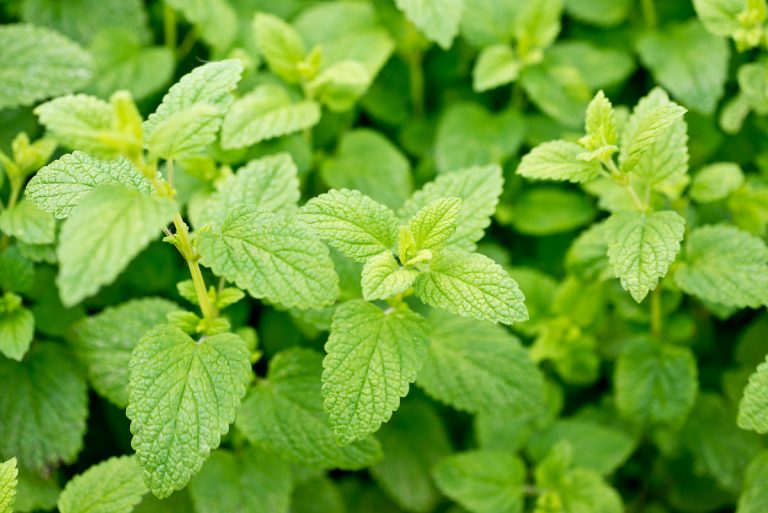
The use of lemon balm has been documented in 300 BCE, which means that this herb has been in use for well over two millennia. Historians believe lemon balm to have originated in Southern Europe and was introduced to Spain in the 7th century by Moors.

The Greeks referred to it by what is now its genus name—Melissa. Melissa is the Greek word for bee. The Greek physician Dioscorides, who lived in the first century wrote that lemon balm aided with menstruation and gout. Pliny the Elder stated that lemon balm encouraged bees to return to their hives when planted in the vicinity of the hives. It would be cultivated all over Europe by the Middle Ages. The Persian philosopher Avicenna (who lived from the year 980 to 1037) wrote that lemon balm was an effective treatment for depression.

Read more

lemon verbena

Lemon Verbena: A Lemon-Scented Herb From South America

Lemon verbena is a lemon-scented herb native to South America. It is often confused with lemon balm as the two herbs have the word lemon in their names. Lemon verbena and lemon balm are two distinct herbs; lemon verbena belongs to the Verbenaceae family while lemon balm belongs to the mint family.

Its Latin name is Aloysia citrodora; however, that was not its first name as the plant has had several names since it first arrived in Europe. Its first name was Aloysia triphylla, which came from Philibert Commerson, a French botanist. He was the first to notice the plant while circumnavigating the globe. Spanish professors Casimiro Gomez Ortega and Antonio Palau y Verdera would rename it in honor of Maria Luisa Teresa de Parma who was married to the son of King Carlos III. Lemon verbena would become known as yerba luisa in Spain as a result. Other names for lemon verbena include Lippia citrodora and Verbena citrodora.

Read more

flax seeds vs hemp seeds

Flax Seeds Vs. Hemp Seeds: SPICEography Showdown

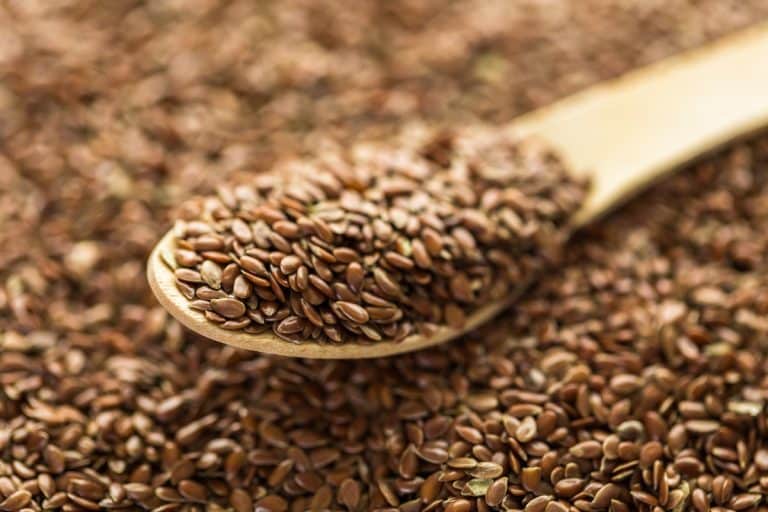
Flax and hemp seeds are both nutritious seeds that have recently become popular as superfoods. Because each seed has a lot of hype surrounding it, you may have some difficulty deciding between them. Is one better than the other? The answer to that question is the same as it is with many other things in life: it depends. To learn how to these seeds stack up against each other, read on for our SPICEography Showdown.

Read more

Demerara sugar

Demerara Sugar: Guyana’s Brown Sugar

Demerara sugar is named after the province in Guyana in which it was first made. While it still bears the Demerara name, it now refers to a type of sugar and does not necessarily indicate sugar made in Demerara.

Sugar production in Guyana began in the mid-1600s while the colony was still under Dutch control. The progress of this new industry was slow at first, mostly because of fighting between the major European nations over their New World colonies. Portugal, Britain, and Spain were all caught up in a cycle of squabbles over territory that left settlers unable to put down roots for very long in one place.

By the end of the 18th century, there were more than 100 sugar plantations along the Demerara river. In the middle of the 19th century, the British took control of Demerara and sugar production significantly increased under them.

Read more

muscovado sugar

Muscovado Sugar: The Darkest Raw Sugar

Sugar refinement is an Indian invention. When India fell under British colonial rule, the processes for cultivating sugarcane and refining sugar were exported to other British colonies. Those colonies included Mauritius, which is where what we call muscovado sugar was first produced. Muscovado sugar is a raw sugar and unlike …

Read more

turbinado sugar

Turbinado Sugar: Not Quite A Raw Sugar

Turbinado sugar is one of the many forms of brown sugar. It is sugar that has been spun in a centrifuge to remove some of its molasses content, but not all of it. As a result, it is considered partially refined. The turbinado name is thought to come from the process of spinning it in the centrifuge, which translates to turbina in Spanish. The name is thought to have a Cuban origin.

Turbinado sugar is one of the early brown sugars and is similar to Demerara sugar, which is the British version that is named after a place in Guyana. Both are partially processed sugars with large crystals. Turbinado sugar comes from the first pressing of the sugar cane and is washed once to remove impurities and much of the molasses content, but not all of it. In comparison, granulated white sugar has undergone both washing and filtering. Turbinado sugar is thought to have originated in the Americas at some point between the 17th and the 19th centuries.

Today, turbinado sugar is sold in the US under the brand name Sugar in the Raw.

Read more

Meringue Powder

Meringue Powder: For Stiff Peaks In Less Time

Meringue powder is all about convenience and food safety. It consists mostly of dehydrated egg whites that may be accompanied by sugar, cornstarch, and a few other ingredients. It is marketed as a substitute for egg whites that are to be used in a few specific circumstances, such as in recipes where you need egg whites that are beaten to stiff peaks. Along with eliminating the work required to whip your own egg whites, meringue powder eliminates the risk of consuming salmonella from raw egg whites since it the egg whites it uses are pasteurized. This is important since meringue powder is most often used in applications where meringue component will not be cooked at a high enough temperature to kill off bacteria.

While meringue powder is a relatively new invention (most likely developed by the Wilton Brands company), there is not a lot of information on it. However, the ingredient it was invented to replace has a well-established position in the history of baking. The pastry made with beaten egg whites and that is known as the meringue is said to have been invented in Meiringen, a village in Switzerland. It was further improved in the late 1600s.

Read more

truffle salt

Truffle Salt: An Affordable Truffle Alternative

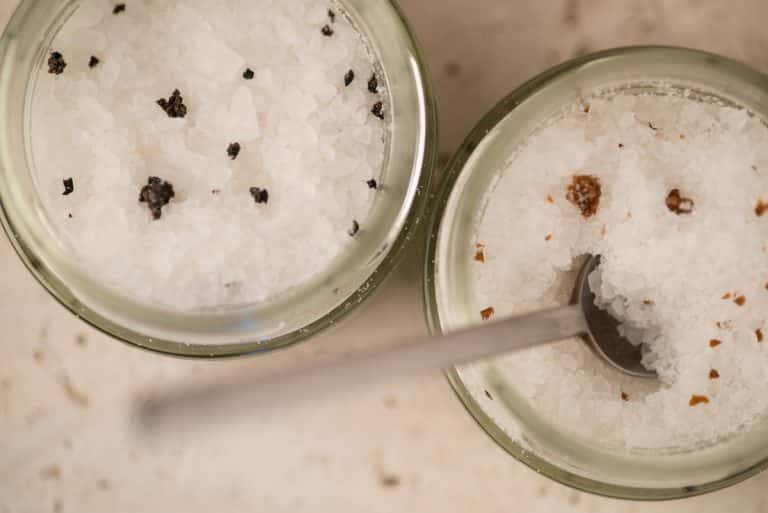
Truffle salt is a little different from most spice blends in that it has only been around for a few years. The combination of truffles with sea salt was first marketed by an Italian company called Casina Rossa in 2006. With the Casino Rossa version of the blend, the truffles come from Abruzzo in Italy and the sea salt comes from Sicily. Unlike other affordable substitutes for truffles (such as some truffle oils), truffle salt uses real truffles rather than a synthetic alternative.

Of course, neither component of the spice blend is new. Truffles are found within the roots of various trees, including those of the chestnut and hazel trees. Consumption of truffles dates back to the Ancient Egyptians, who prized them. They were consumed by both Greeks and Romans as well. Truffles were viewed as highly nutritious by both civilizations. The flavor and aroma were also considered to be exotic, which made them more valuable among wealthier classes.

Read more