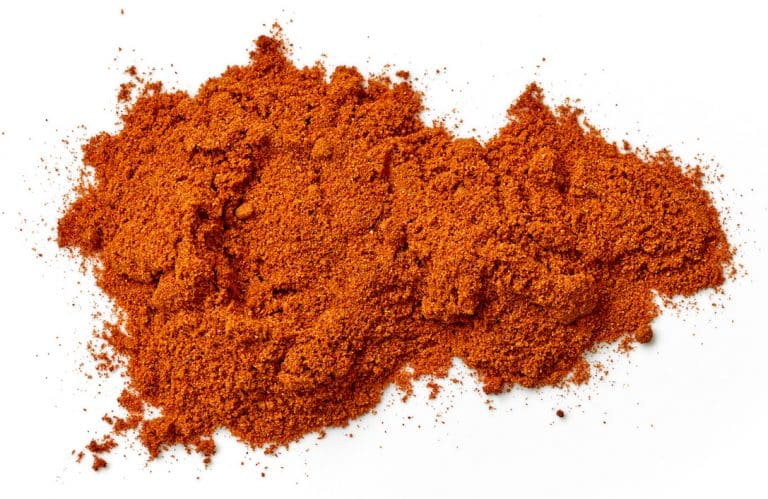
madras curry powder vs curry powder

Madras Curry Powder Vs. Curry Powder: SPICEography Showdown

The first thing to note about Madras curry powder and standard curry powder is that they are both British spice blends, not Indian ones. While some go as far as to say that they have nothing to do with Indian food, this is not exactly the case. Both blends have their roots in Indian culture in that they are made up of spices that are used in traditional Indian cooking, the name curry actually comes from a Tamil word and Madras was once the name of a city in India.

Despite the fact that both blends are formulated to cater to British taste buds and have the word curry in their names, they are different. If you need a curry powder and are trying to decide between Madras curry powder and regular curry powder, it is important to look at how they compare to each other. Let’s break down the similarities and differences in another SPICEography Showdown.

Read more

Green Peppercorns

Green Peppercorns: A Milder Pepper

Green peppercorns are the same fruit as black peppercorns, both are from the Piper nigrum plant. The difference is that green peppercorns are harvested at a different stage of ripeness. Instead of being dried in the sun like black peppercorns, they are dehydrated quickly to preserve their color. Because they are the same as black peppercorns, much of their history remains the same.

The peppercorn originated in Kerala, an Indian state and is known as the king of spices and was once valuable enough to be used as currency. It is arguably the most commonly used spice in the world after salt.

Pepper is documented in texts from ancient Greece and Rome, which means that the trade between India and the western world is truly an ancient one. The early pepper trade from 1,000 BCE saw traders from Arabia controlling the spice trade to preserve a monopoly. Those routes continued to be controlled by Arab traders well into Medieval times. The Venetians held a monopoly on shipping lines in the Mediterranean and could set their own prices. At this point in history, pepper was held in particularly high regard and was costly to ship, which made it a luxury item in Europe.

Read more

black mustard seeds

Black Mustard Seeds: The Most Pungent Mustard Seed

It is believed that there are over 40 different mustard varieties but the varieties most familiar to people in the western world are categorized simply as black, brown, and white mustard. Food coloring or turmeric is added to the white variety to make what we know as yellow mustard. Black mustard seeds most likely come from the Mediterranean region, though in modern times they are mainly used in India. While mustard’s history goes all the way back to Ancient Egypt, the prepared version of it is a Roman invention. The ancient Romans ground mustard seeds and used them to make a paste with wine that was similar to the prepared mustard we use today.

Read more

Orris Root

Orris Root: The Perfume Spice

Orris root is made from the rhizome of the iris flower, which is best known for its colorful blooms. The flower from which orris root comes is native to the Mediterranean region, but it can also be found in parts of Asia as well as in North Africa.

Orris root has been used as far back as ancient Egypt. The Egyptians utilized it as a perfume and for incense. It was also used in ancient Greece and in ancient Rome as well. It was considered a valuable medicine by Dioscorides and by Pliny. Even though it had medical applications, it was primarily used to make perfumes. It was often combined with anise and the scent applied to linens.

The iris plants from which orris root is derived were cultivated in the region around Florence, Italy in the Middle Ages. The traditional preparation involved digging the roots up in August and peeling them. The peeled roots would be dried until they appeared to be chalky. The drying process for orris root can take five years or longer.

Read more

chili powder vs paprika

Paprika Vs. Chili Powder: SPICEography Showdown

It can be easy to confuse paprika with chili powder, especially if you are in the habit of grabbing and opening spice jars based on the color of the contents instead of what is on the labels. They both have a similar deep red color and may even have a similar smell depending on which types you are using. There are a few differences along with those similarities. Below is a look at how they compare to each other.

Read more

goji berries

Goji Berries: An Ancient Chinese Superfood

Goji berries are native to Asia, though some species of the plant can be found growing in North America. Goji berries belong to the nightshade family, which means that they are related to tomatoes and eggplant. They have a long history of use in China. According to an early legend regarding the goji berry and its value, a doctor more than 2,000 years ago visited a village that consisted mostly of centenarians.

After observing them for a time, the doctor noticed that the residents who lived the longest also had homes closest to the wells were goji berry trees grew. As the fruits ripened, they would fall off into the water and their nutrients would be infused into it. Villagers who lived near the wells would drink the water and benefit from its nutrients. There are multiple variations of this legend.

Documentation of the benefits of goji berries begins with a book written by a Chinese emperor named Shen Nong in the year 250 BCE that is believed to be the oldest Chinese book on herbs and medicine. The book was named Shen Nong Ben Cao Jing and was supposed to contain all of the emperor’s knowledge on the subject of agriculture. There is another important Chinese book written by Li Shi-Zhen in the 16th century that also includes important information on the subject of the goji berry.

Read more

sweet cicely

Sweet Cicely: A Rare European Herb

While the history and use of sweet cicely are not widely documented in ancient texts, what is known is that the name sweet cicely goes back to ancient Greek. The Greek term seselis is the origin of the sweet cicely’s name and appears to have been used in reference to a number of herbs. In addition, sweet cicely is often referred to in different European languages as Spanish chervil or Roman chervil. It should be noted that the American version of this herb is not related to the European sweet cicely though it does have a somewhat similar appearance. The European sweet cicely is Myrrhis odorata; the American version is Osmorhiza longistylis.

Read more

Hemp seeds

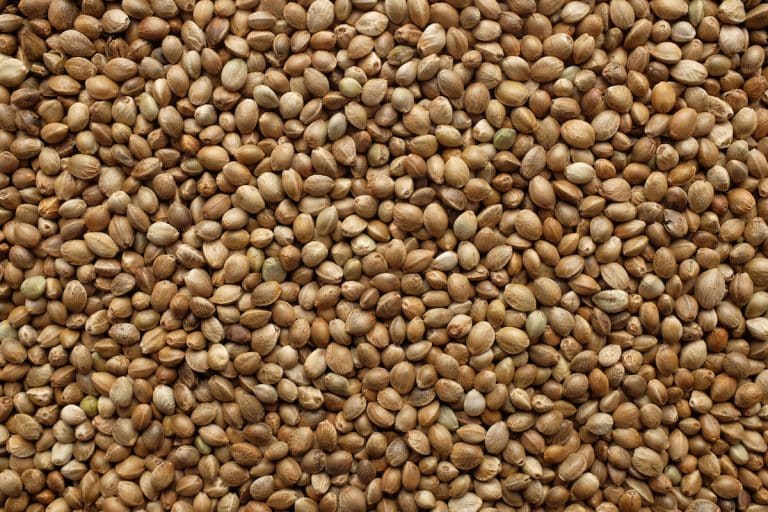
Hemp Seeds: The Unfairly Maligned Superfood

Hemp appears to have originated in Central Asia and then spread throughout the world as people moved from one place to another. There are more hemp varieties in China than there are anywhere else. According to Chinese texts from the Sung Dynasty, the Chinese people were first ordered to grow hemp for fiber in 2800 BCE by Emperor Shen Nung. During this period, people in Northern India were cultivating hemp plants mainly for fiber; however, legends also state that Buddha survived on one hemp seed each day on his path to enlightenment.

Read more